Border residents heard North Korean loudspeakers, but the military said it was unconfirmed

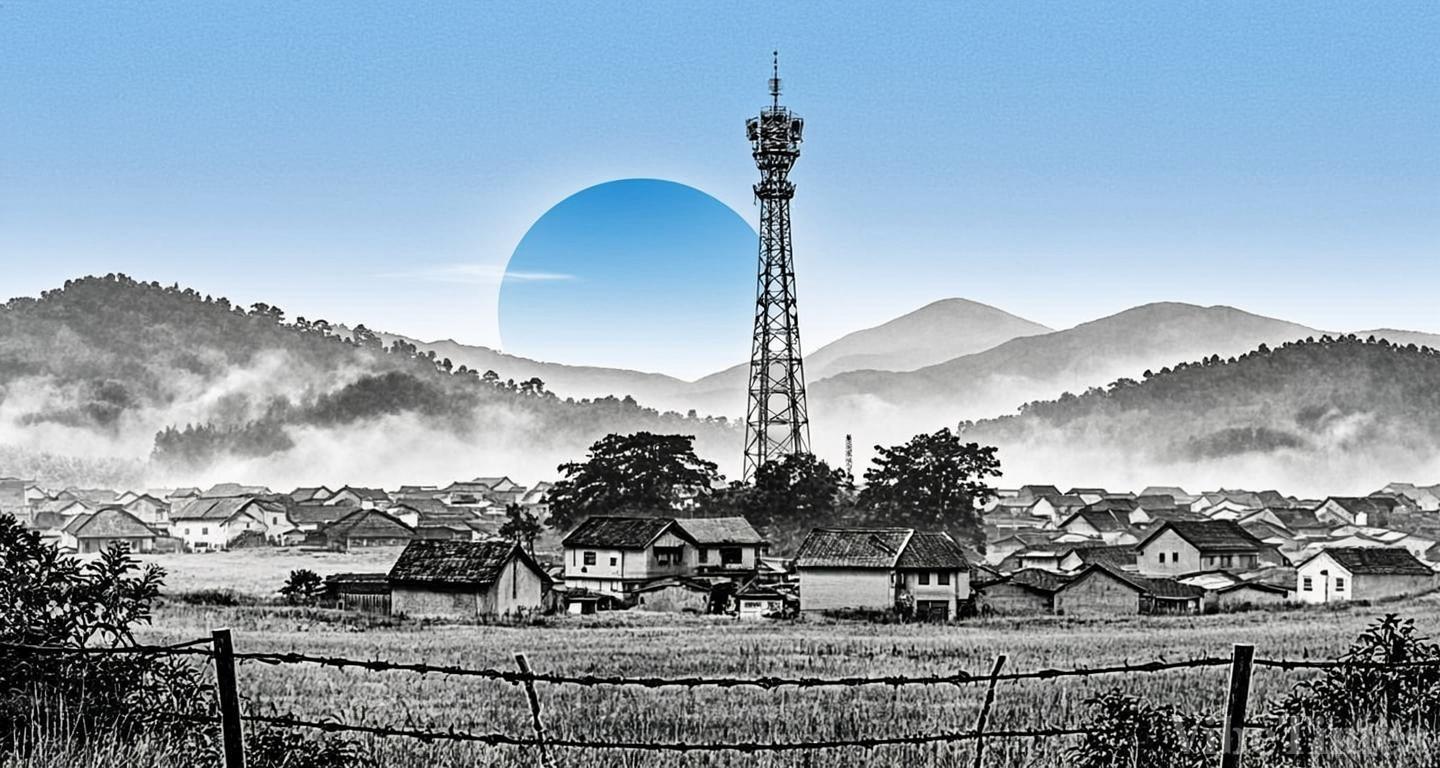
Residents of border areas in Paju, Gyeonggi Province, said they began hearing North Korean loudspeaker broadcasts toward the South from around 6 a.m. on the 29th. A resident of Daeseongdong village told Yonhap News that faint singing followed by sounds like ghostly wails could be heard from around 6:30 a.m. Park, a resident of Unification Village, said that while harvesting rice in the morning, he heard ghostly cries and animal sounds from the North Korean side, the same sounds he had heard in broadcasts toward the South years ago. Residents added that the broadcasts continued for four to five hours.
Intelligence authorities officially took the position that the report was a false alarm. National Intelligence Service Director Lee Jong-seok reported at a parliamentary intelligence committee audit on the 29th that "it is not true. A report filed by one Daeseong-ri resident was found to be a mistaken report." The Joint Chiefs of Staff (the military's highest command authority) also said there were no reports from front-line units of North Korean loudspeaker broadcasts toward the South being heard, and that the operation could not be confirmed.
Kim Yo-jong, department director of the Workers' Party of Korea, reacted against South Korean warning broadcasts and gunfire near the Military Demarcation Line, warning that in October South Korean psychological warfare loudspeakers would go into operation along the entire border. Unlike the South Korean military, which dismantled all of its fixed loudspeakers aimed at the North, the North Korean military is known to have kept its loudspeakers in place and maintained them.
However, the military and intelligence authorities believe that in a test broadcast with intentionally reduced output, areas within earshot can vary depending on terrain, so it is possible the day's broadcast was heard only by some residents active outdoors on flat ground. If the North continues operating in this test-broadcast manner, making its status hard to gauge, gaps in perception between border residents and the authorities could recur.