Self-Employed Loan Delinquency Rate Rises to 1.99%, Exceeding Long-Term Average

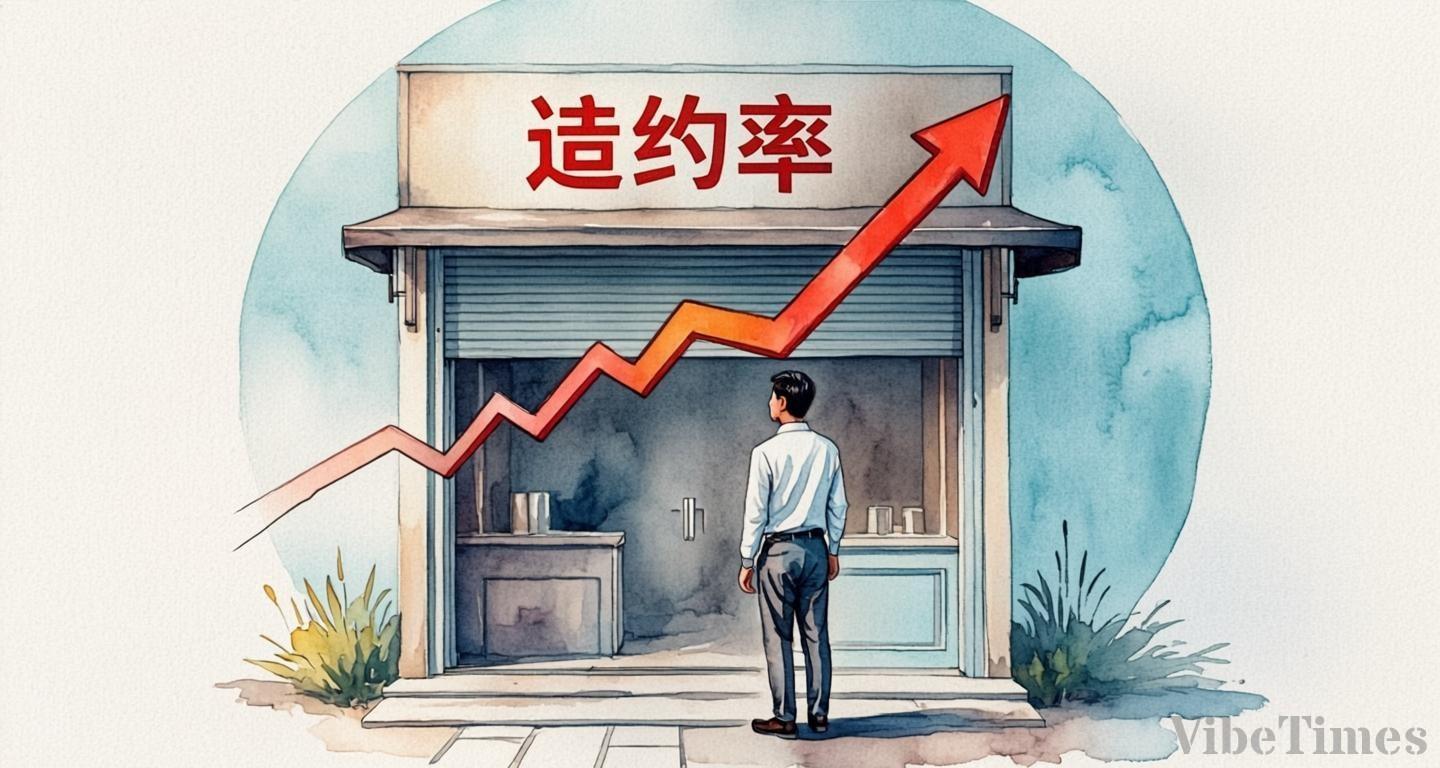
According to the Bank of Korea's 'Financial Stability Report' released on the 22nd, the delinquency rate on loans to the self-employed (the proportion of loans overdue) stood at 1.99% as of the end of the second quarter of this year, up 0.13 percentage points from the end of last year (1.86%) and above the long-term average (1.60%). While growth in total self-employed loans is slowing, delinquency indicators have worsened.
The loan delinquency rate for vulnerable self-employed borrowers, such as low-income, low-credit borrowers among multiple debt holders, was tallied at 12.71%. That is more than 18 times the delinquency rate for non-vulnerable self-employed borrowers (0.69%) and more than six times the overall figure for the self-employed. The number of vulnerable self-employed borrowers rose to 411,000, an increase of 7,000 from the end of last year (404,000), while their outstanding loans grew from 114.6 trillion won to 119.2 trillion won over the same period. Vulnerable borrowers accounted for 12.8% of all self-employed borrowers and 10.9% of total loan balances.
The delinquency persistence rate for self-employed borrowers at the end of the second quarter was 80.9%, up 2.5 percentage points from the end of last year (78.4%). Vulnerable borrowers recorded 82.3% (+1.1%p), while non-vulnerable borrowers recorded 78.0% (+4.0%p). The delinquency entry rate for the second quarter was 0.90% overall; among non-vulnerable borrowers (0.60%), it fell from the end of the previous year (0.72%), but among vulnerable borrowers it rose to 3.60%, up from 3.17% at the end of the previous year.
The Bank of Korea analyzed that "the fact that both the delinquency entry rate and delinquency persistence rate for vulnerable borrowers are higher than those for non-vulnerable borrowers suggests that they are more likely to become delinquent when repayment conditions deteriorate and take longer to return to normal once delinquency occurs." It added, "Qualitative vulnerabilities are accumulating, including growth in the number of vulnerable borrowers and their loans, as well as delinquency rates exceeding long-term averages."
The Bank of Korea expects the upward trend in delinquency rates to gradually ease as the spread of economic growth to domestic demand and government support for vulnerable borrowers mitigate delinquency risks. At the same time, it emphasized that borrower selection, time limits on support, and the resolution of bad loans should be pursued in tandem to prevent support from leading to moral hazard.