Feasibility Study Waived for Korean Nuclear Submarine; Project to Kick Off Next Year

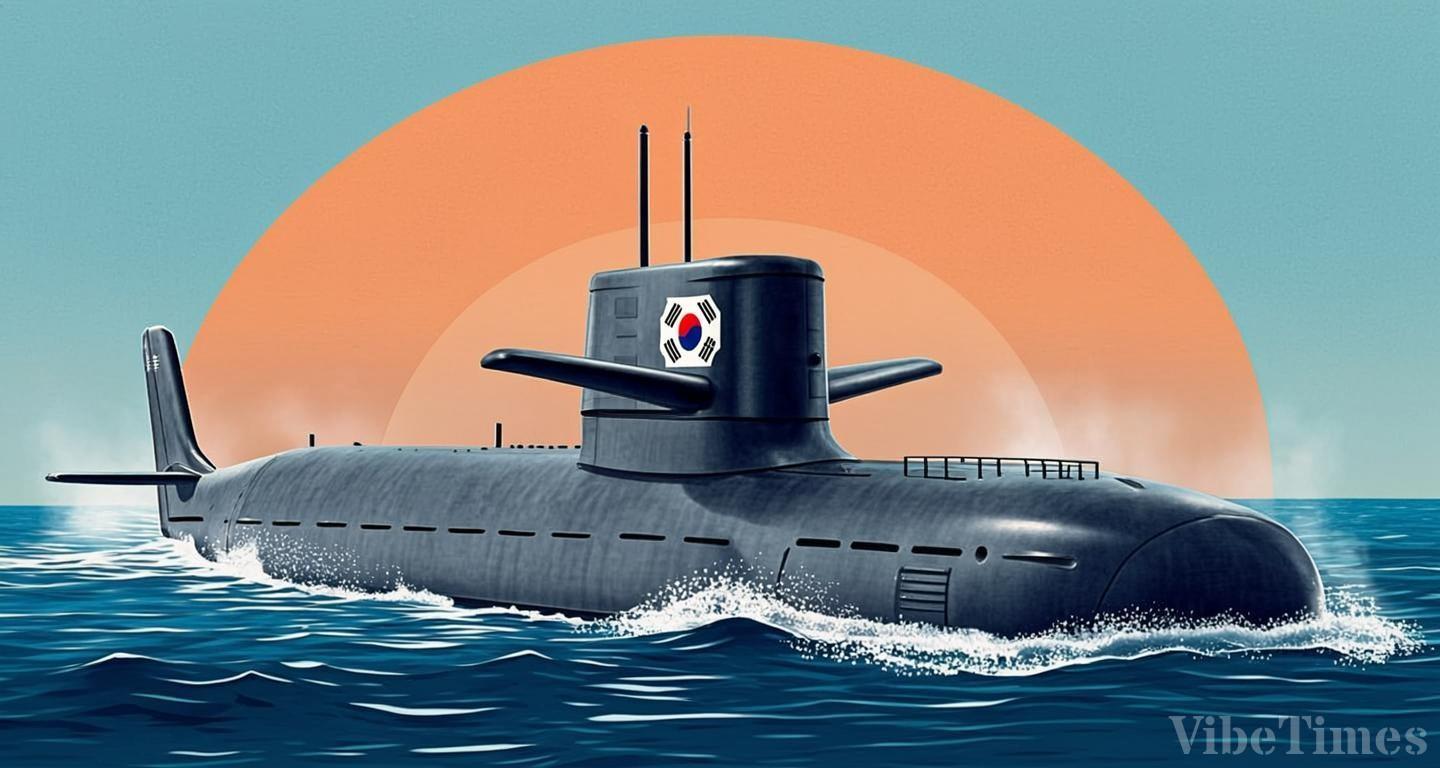
The Defense Acquisition Program Administration (DAPA) held the 179th Defense Project Promotion Committee at the Ministry of National Defense on the 6th, where it reviewed and approved the basic strategy for the 'Jangbogo N' project to secure a nuclear-powered submarine with domestic technology, and will accelerate the launch of the project next year based on the waiver of the feasibility study. The Jangbogo N project calls for building three 8,000-ton nuclear-powered submarines. Nuclear-powered submarines run on nuclear reactors, allowing them to remain submerged far longer than conventional diesel submarines while offering superior mobility. The 'N' in the project's name stands for Next-generation, Nuclear, and New technology.
Under the Defense Acquisition Program Act, feasibility studies are mandatory for development projects of large weapons systems like nuclear submarines. However, Jangbogo N was granted an exemption by the Ministry of Economy and Finance based on a provision allowing exceptions for projects requiring extreme security. With the exemption of a review that typically takes one to two years, the timeline has gained momentum: project launch in 2027, launch of the lead vessel in the mid-2030s, and full operational deployment in the late 2030s.
The overall system integration of the submarine (hull development and construction) will proceed through competitive bidding among domestic shipbuilders, with a prime contractor selected. DAPA judged, through preliminary research, that domestic shipbuilders' submarine design and construction capabilities had reached a sufficient level, opting for competition instead of a sole-source contract. Under the schedule, a contractor will be selected and a final contract signed in the second half of next year following the bidding announcement. However, the small modular reactor (SMR), the power source and the top security-sensitive element, along with key weapons systems, will be procured directly by the state and supplied to the system integrator as government-furnished equipment.
The total project cost was not disclosed due to security considerations. Previously, Economy and Finance Minister Park Hong-keun said the total budget could reach around 28.9 trillion won. The specific project budget will be determined through consultations with the finance ministry early next year.
DAPA explained that the nuclear-powered submarines secured through this project will strengthen deterrence against security threats such as North Korea's nuclear and missile capabilities, and contribute to enhancing independent defense capabilities by enabling an underwater kill chain.