Nuclear Waste Management Challenges Arise with New Reactor Designs

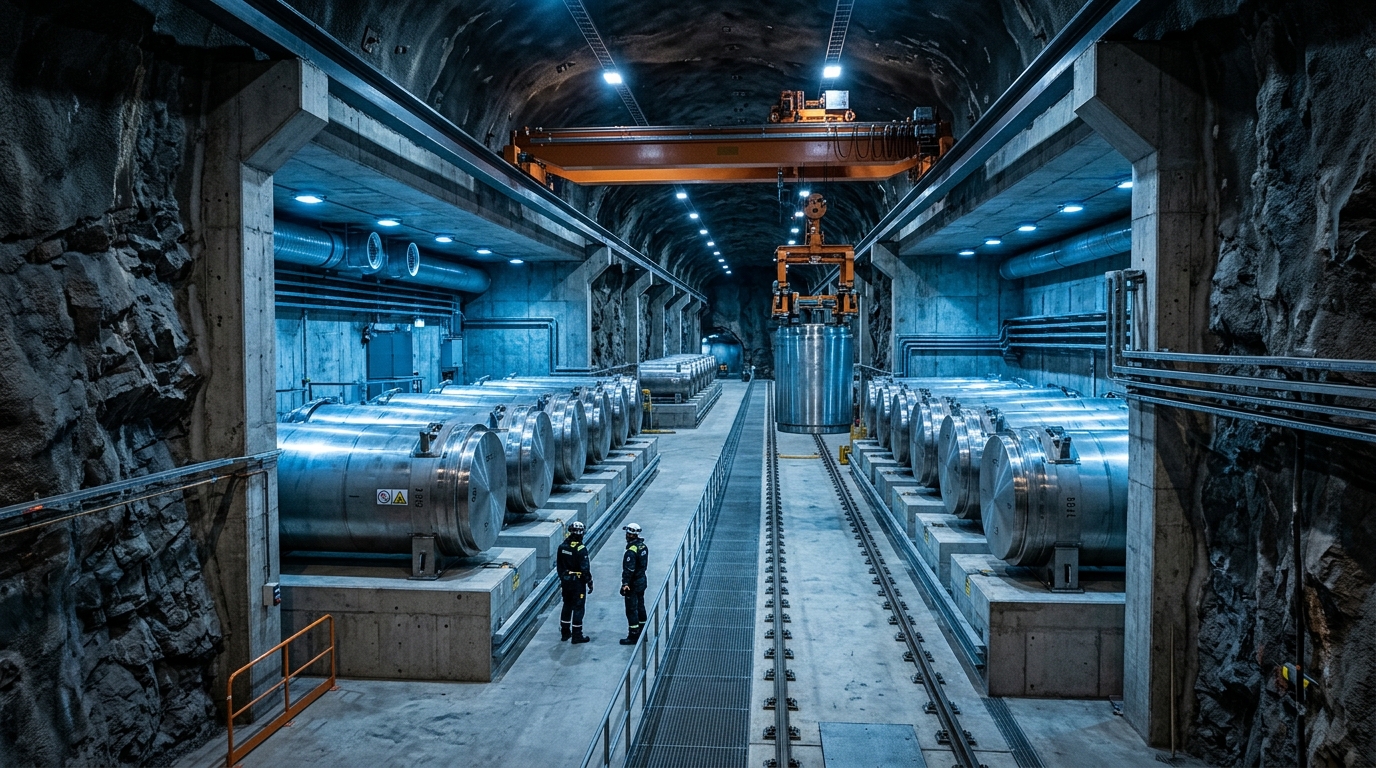
As new reactor designs emerge, the challenge of safely managing spent nuclear fuel is being raised. Current nuclear power generation supplies 10% of the world's electricity and generates about 10,000 tons of spent nuclear fuel waste annually. The industry manages this through methods such as water storage pools, sealed steel containers, and disposal hundreds of meters underground. Nuclear waste is classified into low-level waste, including contaminated equipment from hospitals, and high-level waste, which includes spent nuclear fuel. Spent nuclear fuel, being high-level waste, consists of uranium-235 and fission products.
Finland is building the world's first deep geological repository on its southwestern coast, set to begin operation this year. The United States designated a deep geological repository site in the 1980s, but due to political conflict, waste is currently stored in wet and dry storage facilities on reactor sites.
While most currently operating reactors use low-enriched uranium fuel and water cooling, many future new reactor designs may require adjustments to existing systems for waste processing. Edwin Lyman of the Union of Concerned Scientists (UCS) noted, "There is no single answer as to whether these various new reactors and fuel types will make waste management easier," indicating uncertainty about how new designs will alter the ease of waste management. The phased approach of cooling fuel in water initially after removal from the reactor and then transferring it to dry storage casks is applied to new reactors as well. System adjustments are being made based on existing management guidelines to accommodate the characteristics of new nuclear reactors.