Construction Begins on High-Level Radioactive Waste Research Facility

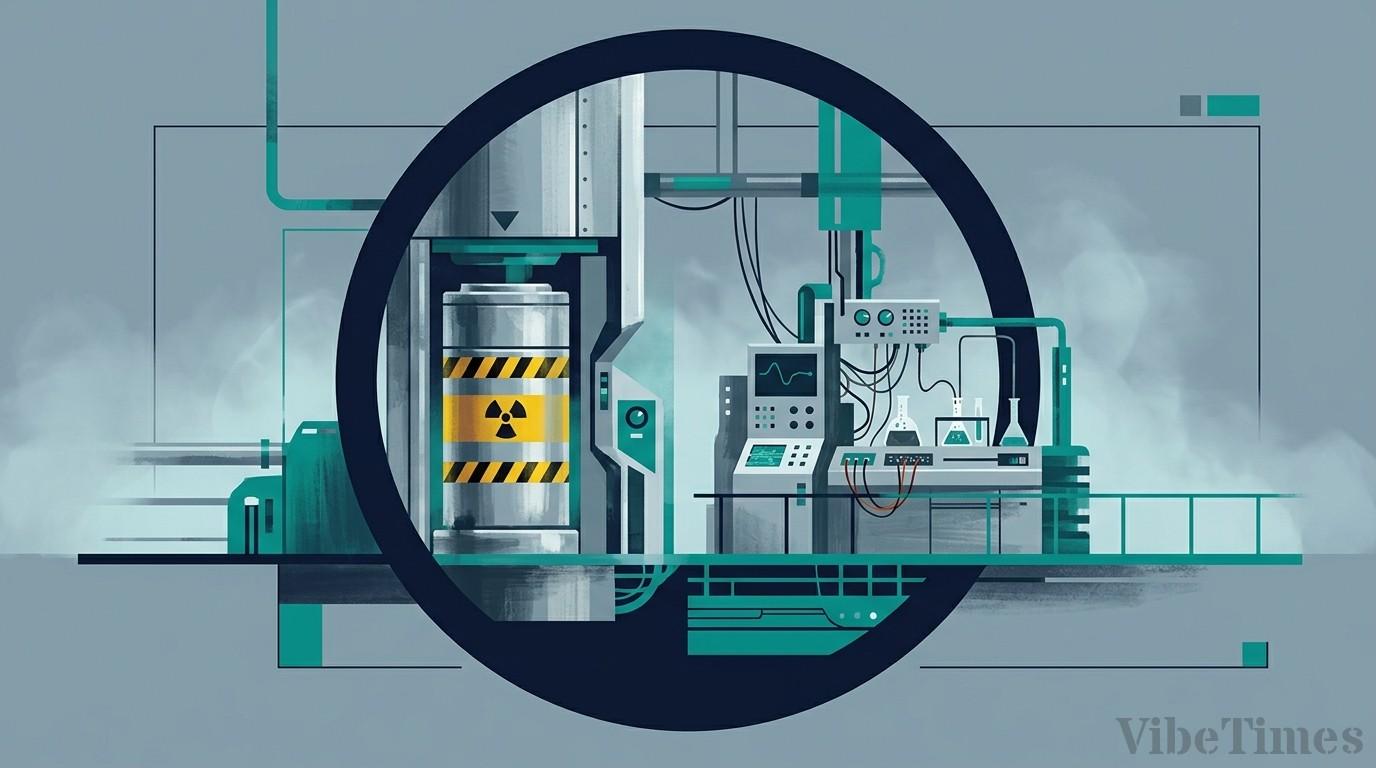
The Korea Radioactive Waste Management Corporation (KORAD) has begun construction on South Korea's first research facility designed to safely handle and manage high-level radioactive waste generated from processes such as nuclear fuel reprocessing. The facility will conduct research externally without directly bringing in radioactive waste, focusing on verifying the performance and safety of disposal technologies. The Taebaek Underground Research Laboratory (URL) is a preliminary step toward constructing a disposal facility for high-level radioactive waste, including spent nuclear fuel discharged from power plants. The goal is to establish a 'Korean-style radioactive waste repository' model reflecting the nation's geological characteristics.
The Taebaek Underground Research Laboratory, with a total project cost of 647.5 billion won, will be built in a granite zone 500 to 1000 meters underground, an area deemed safe from natural disasters such as earthquakes. It will include a research building, auditorium, dormitory, and public relations center above ground, along with a vertical shaft, research modules, and connecting tunnels below ground. Legal grounds for the project were established with the enactment of the Act on the Special Measures for the Disposal of High-Level Radioactive Waste. Given the urgency of national energy policy, the government exempted the project from preliminary feasibility studies, allowing for full-scale project implementation to begin this year. After its completion in 2032, the facility will be used for research purposes for 20 years until 2050.
The estimated economic impact for the region hosting the URL includes a production-inducing effect of 252.4 billion won and job creation for 8,665 people. Plans also include generating revenue through the transfer of the facility's operations after the research concludes.
Issues regarding resident compensation and renegotiation have emerged in the local community. Kim Dong-gu, a candidate for Taebaek mayor from the Democratic Party of Korea, advocated for a full renegotiation, demanding the establishment of resident compensation measures. It was pointed out that legal grounds are needed for the medical, transportation, and educational welfare benefits for residents in areas designated for underground research facilities, as stipulated in the Act on the Special Measures for the Disposal of High-Level Radioactive Waste. The Cheolam Development Council urged the smooth progress of the project and expressed concern over political disputes.
Taebaek City is preparing to improve infrastructure to accommodate the projected increase in its permanent population. A plan is in place to develop Hakrim Town in the Cheolam-dong area by the end of 2028, involving an investment of 22 billion won for the construction of 44 rental housing units and a community sports center. This project will be carried out with support from the Ministry of Land, Infrastructure and Transport.
Lee Eung-oh, head of Taebaek City's Carbon Neutrality Division, emphasized that the URL facility is purely a research facility that will not handle or import high-level radioactive waste or spent nuclear fuel. He added that the facility is expected to become a hub for exporting radioactive waste disposal technology.
