Medical AI Adoption: A Mix of Hope and Concern

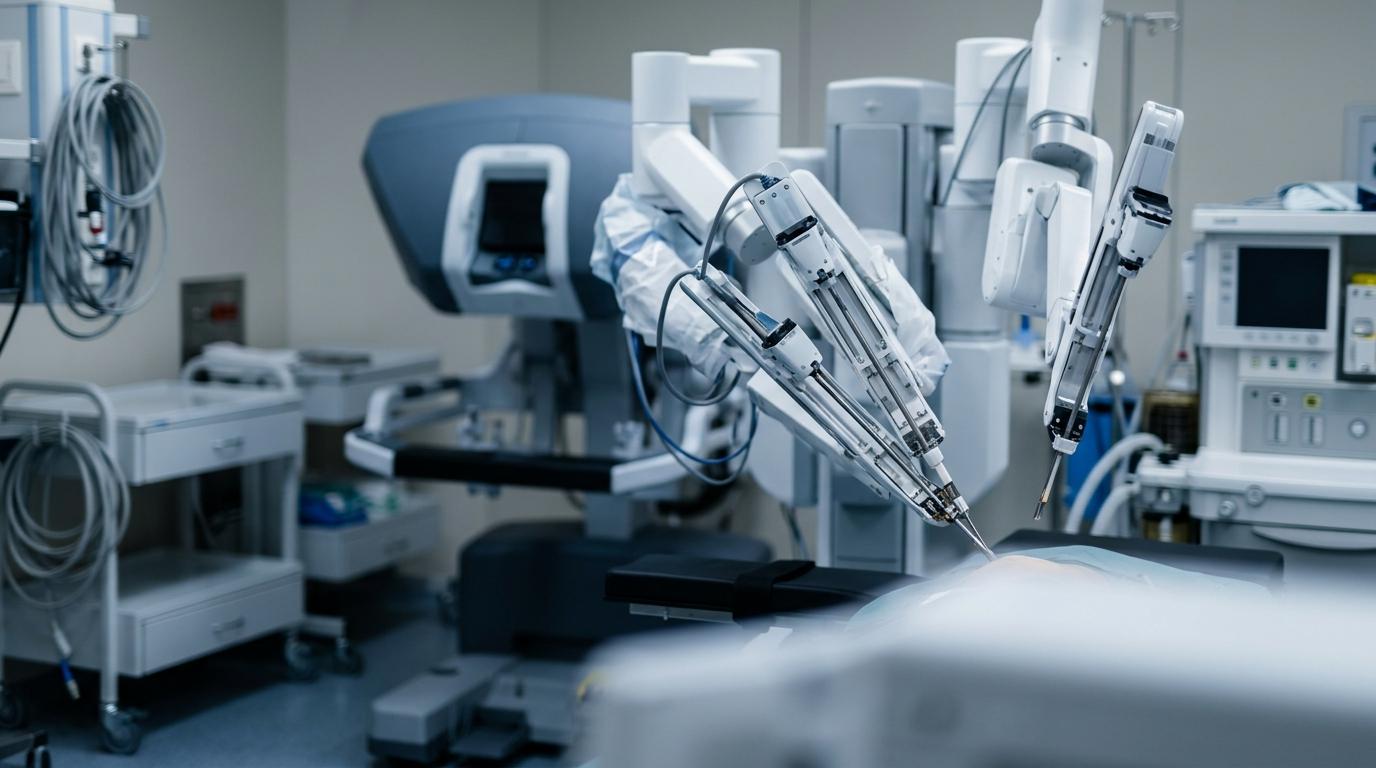
As the introduction of 'Physical AI' accelerates in healthcare settings, a mix of anticipation and concern is emerging. This artificial intelligence technology, which moves physically like a robot, offers positive prospects for improving hospital operational efficiency and surgical outcomes. However, challenges to its field adoption include the rapid pace of technological development, social acceptance, and cost issues.
The global market for medical Physical AI, including surgical robots, is projected to grow to between $36 billion and $52 billion by 2030, with surgical robots expected to account for over 40% of the total market. Such Physical AI can contribute to improving clinical outcomes by reducing medical staff fatigue within limited hospital spaces, managing infectious diseases, and performing repetitive or high-risk tasks.
However, obstacles to adoption include existing hospital structures, the burden of workflow changes, and adaptation challenges to new technologies. Demands for safety verification are also increasing, citing potential for robot activity zone overlap, the possibility of technical errors, movement in confined spaces, sterilization area identification, and hacking risks. The regulatory framework, which does not sufficiently cover the risks associated with complex medical environments and robot autonomy, is also pointed out as a limitation.
Robot-assisted surgery can incur costs two to three times higher than conventional procedures. Issues such as the burden of equipment purchase and maintenance, securing medical staff proficiency, and unclear accountability in case of surgical failure are leading hospitals to adopt a cautious approach. There is an urgent need to resolve thousands of adverse incidents and related legal and institutional uncertainties.
To facilitate the spread of Physical AI, the expansion of demonstration projects in a 'living lab' format is necessary. This should be accompanied by the design of a structure that accumulates on-site data, develops payment systems and incentives based on that data, links to community care services beyond medical institutions, and establishes continuous monitoring and management systems, as well as training systems for on-site personnel.
There are concerns that Physical AI-related education is not systematically implemented, and given the rapid pace of technological change, textbook-based education methods have limitations. Sharing networks of field cases and practice-based education are considered effective. As technology advances, the value of trust and communication between patients and medical staff becomes even more important, so education on the essential role of healthcare should also be integrated.

쿠팡 파트너스 활동의 일환으로 일정 수수료를 제공받습니다