Former Ukraine Ambassador Sondland Criticizes Iran's Nuclear Diplomacy Approach

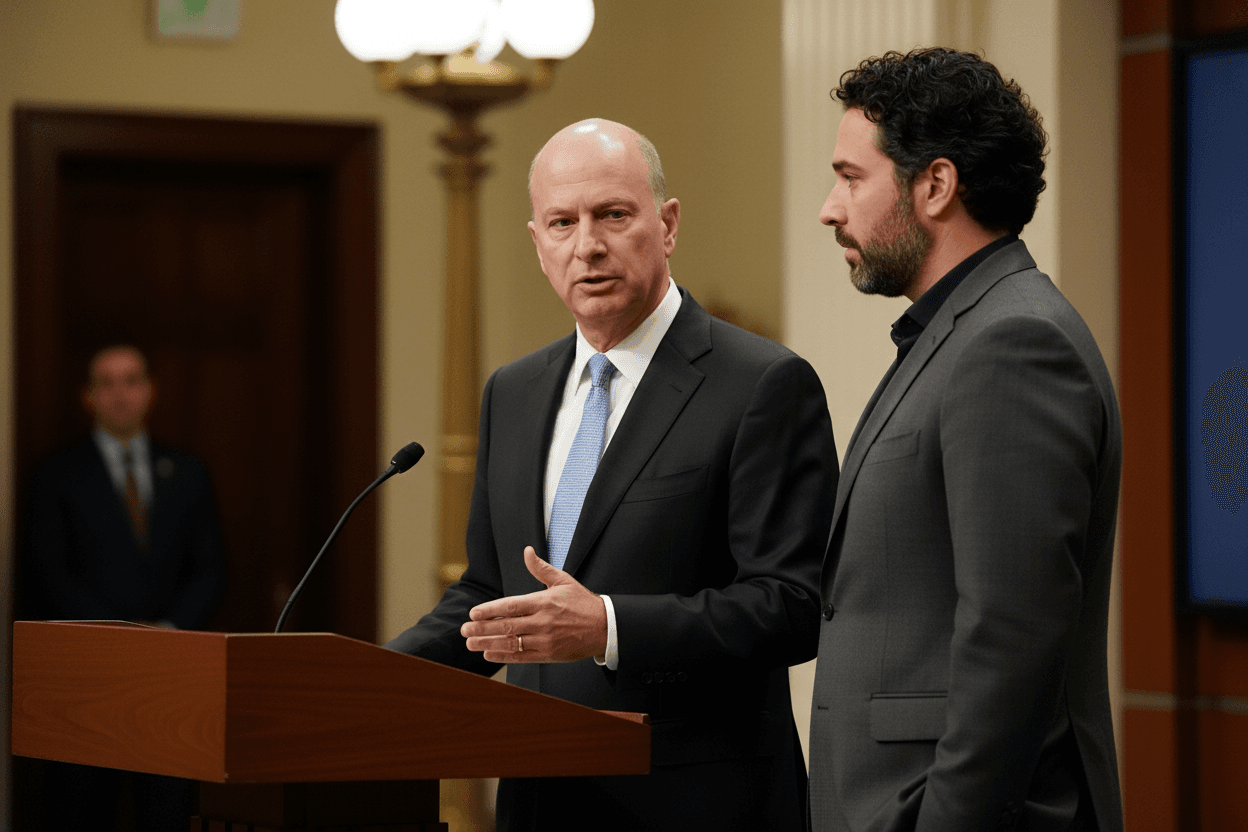
Former Ukrainian Ambassador Gordon Sondland criticized Iran's "rope-a-dope" strategy used in diplomatic negotiations to prevent nuclear weapons development. He argued that the West needs stronger pressure to prevent Iran from becoming a nuclear-armed state. Sondland pointed out that negotiations are unlikely to yield meaningful results without diplomatic pressure, analyzing that the Iranian regime engages in negotiations because it believes the West is prepared to impose severe sanctions in case of diplomatic failure.
He noted that based on his experiences over the past 40 years, believing that the Tehran leadership has suddenly become a trustworthy negotiating partner is a dismissal of reality. Iran has repeatedly followed a pattern in past nuclear negotiations where it would celebrate diplomatic breakthroughs after presenting complex frameworks, only for the agreements to begin crumbling almost immediately. Various factions within Iran would interpret the meaning of agreements differently, or claim that approval from the Islamic Revolutionary Guard Corps was absent, ultimately leading to Tehran denying the very existence of the agreed terms. Throughout this process, Iran's nuclear enrichment activities, proxy operations, and missile launches have continued. Iran's fragmented power structure has lent itself to "rope-a-dope" diplomacy, where civilian negotiators reassure Western diplomats while the IRGC escalates tensions. As moderates pledge adherence to agreements, hardliners obstruct implementation internally, and this dispersed structure is used by Iran to evade responsibility at every stage, buy time, and protect its strategic capabilities.
Sondland emphasized that at this juncture, clear perception is more important than "wishful thinking." He stated that the international community is in a rare situation with diplomatic opportunities and leverage, which should not be rushed or naively wasted. He argued that if a truly nuclear-threat-eliminating agreement is reached, it must not be similar to past ambiguous accords. He added that no pressure should be eased until a verifiable agreement is achieved. An agreement should be pursued if it can genuinely eliminate the nuclear threat entirely, but ambiguous promises, technical loopholes, and agreements interpreted differently in Tehran, Brussels, and Washington are insufficient. No pressure should be alleviated until the core objective of the nuclear threat is physically and verifiably achieved.