Solo Dweller's Guide: Healthy Recipes for Complete Meals – Rice, Soup, and Sides

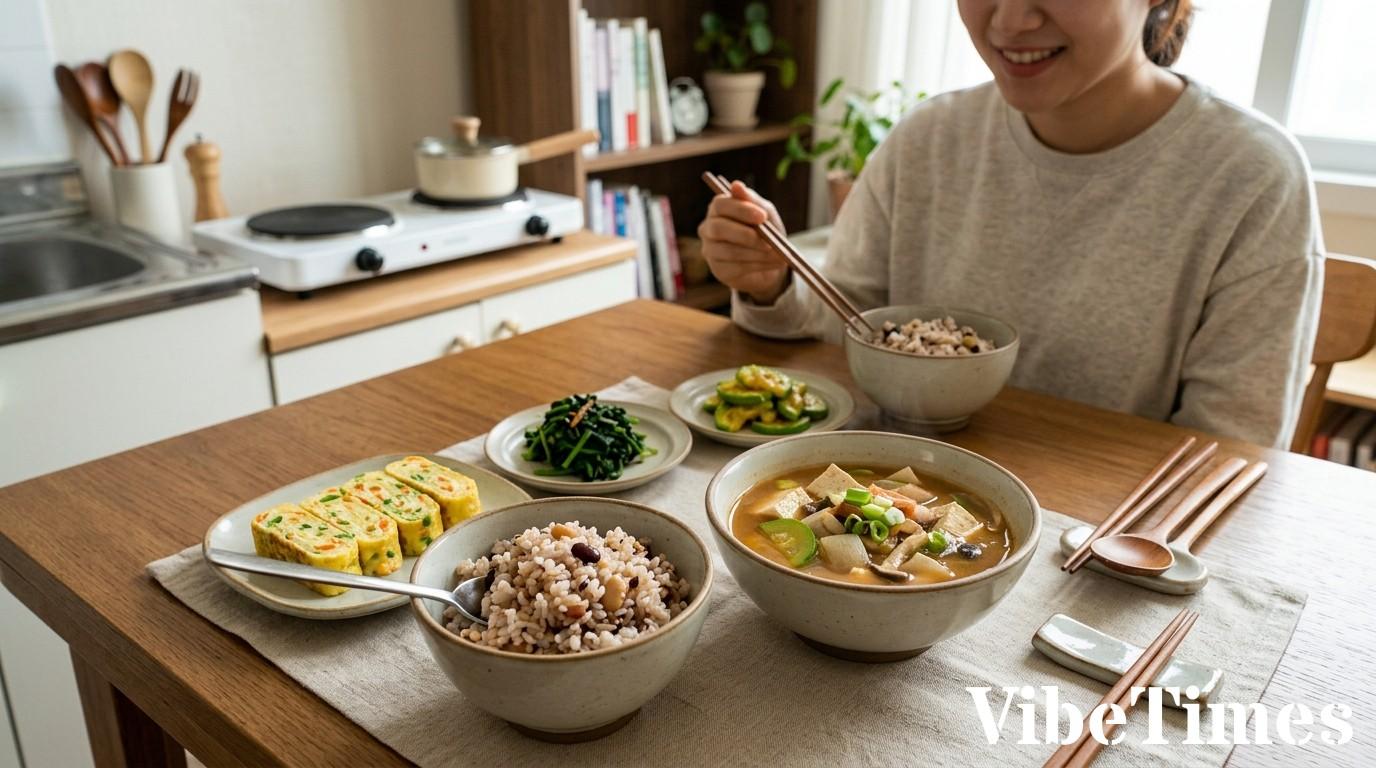
In an era where single-person households exceed 35%, 'home-cooked meals' are no longer a luxury but a vital, healthy, and economical life skill for solo dwellers. This article presents practical cooking methods to overcome time and space constraints, efficiently preparing balanced meals that include rice, soup, and side dishes.
The Era of Single-Person Households: Rediscovering Home Cooking – Recipes for Saving Time, Money, and Health
‘Scrambling for Meals’ is a Thing of the Past: The Reality of Single-Person Households Relying on Dining Out and Delivery
According to Statistics Korea's Future Household Projections, the proportion of single-person households in South Korea reached 35% in 2023, accounting for over one-third of all households. This trend is expected to surpass 40% by 2050. Many solo dwellers, busy with studies or work, tend to skip meals or depend on delivery services and convenience foods. While these eating habits offer short-term convenience, they can lead to increased food expenses, nutritional imbalances, and excessive sodium intake in the long run, becoming major causes of deteriorating health.
No More Leftover Ingredient Worries! Tips for Buying Small Quantities and Efficient Storage
Single-person households often miss out on economies of scale when buying groceries, making small-quantity purchases difficult. They also face the burden of dealing with leftover ingredients. To address these issues, this guide offers a list of ingredients optimized for solo dwellers, available in small quantities, along with specific tips for storing and utilizing vegetables, meats, and more to keep them fresh. For example, wrapping vegetables in newspaper or paper towels and storing them in airtight containers, or portioning meat and fish into single servings for freezing, can reduce food waste.
'Impressive' Meals in Small Spaces with Minimal Equipment
Delicious home-cooked meals can be prepared even in cramped spaces like studio apartments with only basic cooking utensils. We introduce 'all-purpose recipes' that can cover rice, soup, and side dishes using just one frying pan or one pot, as well as cooking methods that utilize minimal appliances like air fryers and microwaves. You can create satisfying meals without complex cooking processes, relying only on basic tools.
'Budget-Friendly' Home Cooking for One: The Happiness of a 1,000-Won Meal (Rice, Soup, Sides)
From Cooking Rice to Creative Uses: Filling Rice Options Even When You Don't Want to Wash Rice
We share know-how for cooking the staple meal: rice. If washing rice feels like a chore, we offer methods for cooking rice using a pot or microwave without a rice cooker. For pot-cooked rice, achieving the correct rice-to-water ratio (1:1.2-1.5) and simmering over medium-low heat for about 15 minutes, followed by resting, yields delicious results. We also suggest simple variations for leftover rice, such as fried rice or kimchi fried rice, to add variety to your rice dishes. For instance, kimchi fried rice with egg, kimchi, and a small amount of vegetables can be a great meal ready in under 10 minutes.
10-Minute Soup Recipes: Endless Variations with Dried Pollock, Doenjang, and Vegetables
We introduce soup recipes that are simple yet satisfying. Using store-bought broth packs or anchovy-kelp packs can quickly add depth of flavor. We focus on 'instant soup' recipes using readily available and long-lasting ingredients like dried pollock, doenjang (soybean paste), kimchi, and frozen vegetables. For example, doenjang jjigae with doenjang, zucchini, and tofu in anchovy-kelp broth can be ready in about 10 minutes. A 'restaurant-style' doenjang jjigae made with rice water and doenjang is also excellent. Dried pollock soup with shredded dried pollock, radish, and green onions is perfect as a hangover cure or a hearty breakfast.
No More Side Dish Stress! 3 'Pantry Raid' Side Dish Sets from Your Freezer and Fridge
Instead of expensive pre-made side dishes, we focus on how to make them affordably and plentifully at home. We introduce 'versatile side dish' recipes that, once made, can be stored in the freezer and cost about 1,000 won per serving.
1. Gochujang Stir-fried Frozen Pork Belly: Using affordable frozen pork belly, stir-fry it with gochujang (Korean chili paste), soy sauce, garlic, sugar, onion, and green onion. This dish serves well as a rice accompaniment or a main course with lettuce wraps. Using a 200g pre-portioned pack of pork belly can yield 1-2 servings.
2. Three Types of Rolled Omelets (Cheese, Kimchi, Vegetable): The basic and nutritious rolled omelet can be creatively adapted. Beat 3 eggs with a pinch of salt and a tablespoon of milk. Mix in finely chopped green onions, carrots, and onions, or add chopped kimchi or mozzarella cheese for diverse flavors.
3. Canned Tuna and Kimchi Stir-fry: Utilizing one can of tuna, aged kimchi, minced garlic, sugar, and a pinch of chili powder, this spicy and sweet stir-fry can be made in a short time. It's a great rice enhancer and perfect for mixing with rice.
Smart Eating for Solo Dwellers: Building Healthy Eating Habits
'Value-for-Money' Grocery Shopping List and Buying Tips Beyond Convenience Stores
We provide an essential grocery list for the recipes introduced earlier. It includes tips on how to smartly purchase items like 'buy one, get one free' deals at large supermarkets, small-portioned meats and vegetables from the frozen/refrigerated sections, and special online offers. We also suggest 'value-for-money' ingredients convenient to buy at convenience stores (e.g., single-serving steaks, soup kits, frozen fried rice) and simple recipes using them, expanding your options. For example, a 150g pre-portioned steak for around 2,500 won becomes an excellent protein side dish simply by pan-frying.
Resolving Nutritional Imbalances! Tips for Designing a 'Balanced Meal'
It's important to move away from diets skewed towards eating out or delivery and achieve balance in rice, soup, and side dishes. We offer tips for constructing meals that consider carbohydrates (rice), protein (eggs, tofu, chicken breast, fish), fats, vitamins, and minerals (vegetables, kimchi). For instance, we emphasize the importance of habitually pairing rice with one protein dish and kimchi or a simple vegetable side. Consciously including protein and vegetables in every meal can significantly resolve nutritional imbalances.
Motivating Yourself for Healthy Habits and Consistency
Beyond learning delicious home-cooking recipes, we present strategies to motivate yourself to cook at home consistently. Keeping a simple meal diary, participating in online cooking communities, and documenting small achievements can help maintain interest in cooking and foster healthy eating habits in the long term. Accumulating small successes can boost satisfaction in solo living and become a driving force for improving quality of life.