May 21 Legislative Report: 22nd Assembly Education Committee Debates Reform Bills

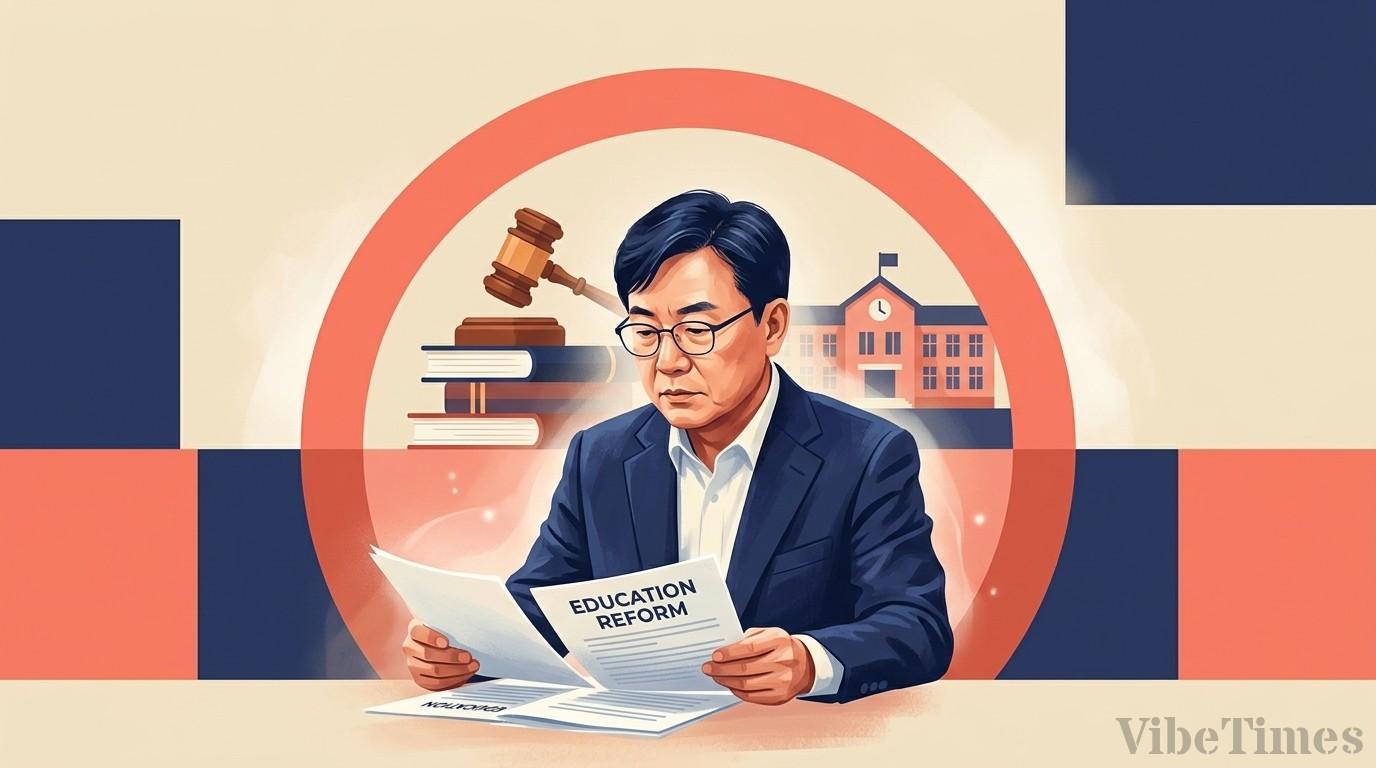
22nd National Assembly Education Committee Sees Active Moves on Education Reform Legislation
As the 22nd National Assembly convenes, discussions on pressing educational issues have officially begun. In particular, lawmakers on the Education Committee are accelerating the proposal and review of bills aimed at education reform. Members such as Kim Gwi-geun of the Democratic Party of Korea, and Lee Sang-wan, Jung Ye-jin, Park Eun-sook, Yoon Geum-ju, Je Hae-young, Lee In-sook, Jang Jae-seok, and Yeo Jun-seok of the Cho Kuk Innovation Party are actively participating in the Education Committee, contributing to policy proposals and bill reviews that reflect the voices of the education field.
The People Power Party and the Democratic Party of Korea have agreed to hold a plenary session on June 5th to elect the Speaker and Vice Speakers for the latter half of the Assembly, signaling a move toward normalizing parliamentary operations. Amidst this, various standing committees are continuing discussions on bills to address urgent social issues alongside pressing livelihood and economic concerns. The education sector, in particular, is a crucial area directly linked to the growth of future generations, making related legislative activities a subject of keen interest.
Lawmaker Kim Gwi-geun Engaged in Education Policy Review and Questions on Current Issues
Democratic Party of Korea lawmaker Kim Gwi-geun is actively participating in the review of education-related policies and bills as a member of the 22nd National Assembly's Education Committee. As a committee member, Rep. Kim strives to listen to diverse voices from the education field and incorporate them into policy proposals and bill sponsorships. He is focusing on enhancing the effectiveness of education policies and exploring improvement measures through in-depth questioning and discussion on current educational challenges.
According to recently disclosed information, Rep. Kim consistently attends Education Committee meetings, reviewing a variety of education-related agenda items. This is interpreted as a commitment to laying the policy groundwork for adapting the education system to changes in the field and the demands of future society. While specific details on any particular bill he plans to introduce have not yet been revealed, efforts are expected to continue towards improving the overall education curriculum and enhancing students' learning environments.
Cho Kuk Innovation Party Education Committee Members Propose Policies and Prepare Bills
Members of the Education Committee from the Cho Kuk Innovation Party are preparing various legislative activities related to education reform since the 22nd National Assembly's opening. Lawmaker Lee Sang-wan is participating in the process of proposing and reviewing education reform bills, conducting inquiries on educational issues, and making policy proposals. Lawmaker Jung Ye-jin has participated in on-site visits to directly hear from the education field and has begun her legislative activities by attending Education Committee meetings. Furthermore, Lawmaker Park Eun-sook, who began her tenure as an Education Committee member on May 30, 2024, is involved in legislative activities related to 'teacher rights protection' and normalizing the operation of 'Neulbom Schools' (after-school care programs). Notably, she announced plans to introduce a bill related to 'prevention and response to teacher rights violations' in June 2024.
In addition, Lawmaker Yoon Geum-ju is participating in inquiries and discussions on education-related current issues, while Lawmaker Je Hae-young is preparing to introduce a bill aimed at strengthening legal protection for teachers' appropriate disciplinary guidance. As the floor leader for the Education Committee, Rep. Je is actively involved in legislative activities concerning education policy. Lawmaker Lee In-sook is pursuing the introduction of a bill to support the digital transformation of the education field, and Lawmaker Jang Jae-seok, as a member of the Education Committee, is participating in inquiries and policy proposals on education-related current issues. Lawmaker Yeo Jun-seok has previously stated his intention to prepare bills for securing educational fairness and protecting student rights.
Collectively, the Cho Kuk Innovation Party lawmakers are rapidly advancing their legislative activities by comprehensively preparing bills that reflect the diverse demands of the education field, including strengthening teacher rights, stabilizing Neulbom Schools, digital transformation in education, and ensuring educational fairness and rights protection. This is seen not merely as policy discussion, but as a determination to innovate the educational environment through substantial institutional improvements.
Future Outlook and Market Impact
The legislative momentum led by the 22nd National Assembly's Education Committee is expected to significantly impact South Korea's future education system. In particular, the passage of bills concerning the prevention and response to teacher rights violations could contribute to ensuring teachers' legitimate educational activities and enhancing stability in schools. Bills aimed at normalizing Neulbom School operations are also anticipated to play a crucial role in easing parental childcare burdens and resolving care gaps. Moreover, legislation supporting the digital transformation of the education field could lay the foundation for future educational environments and positively influence the reduction of educational disparities.
These legislative activities will also affect the broader education-related industries. Bills strengthening teacher rights could increase demand in sectors such as educational services, legal consulting, and psychological counseling, while the expansion of Neulbom Schools may invigorate the market for related educational programs and operational staff. Digital education-related legislation is expected to provide new growth opportunities for EdTech companies. Therefore, investors in related fields need to closely monitor the trends of educational policy changes to formulate their investment strategies.
Moving forward, if these bills are refined into actual policies through in-depth discussions within the Education Committee, they will not only lead to qualitative improvements in education but also inject new vitality into the related industrial ecosystem. Attention is focused on whether the National Assembly can heed the voices from the education field and drive tangible change.