President Lee Jae-myung Pushes for Bill to Exclude Statute of Limitations for State Violence Crimes

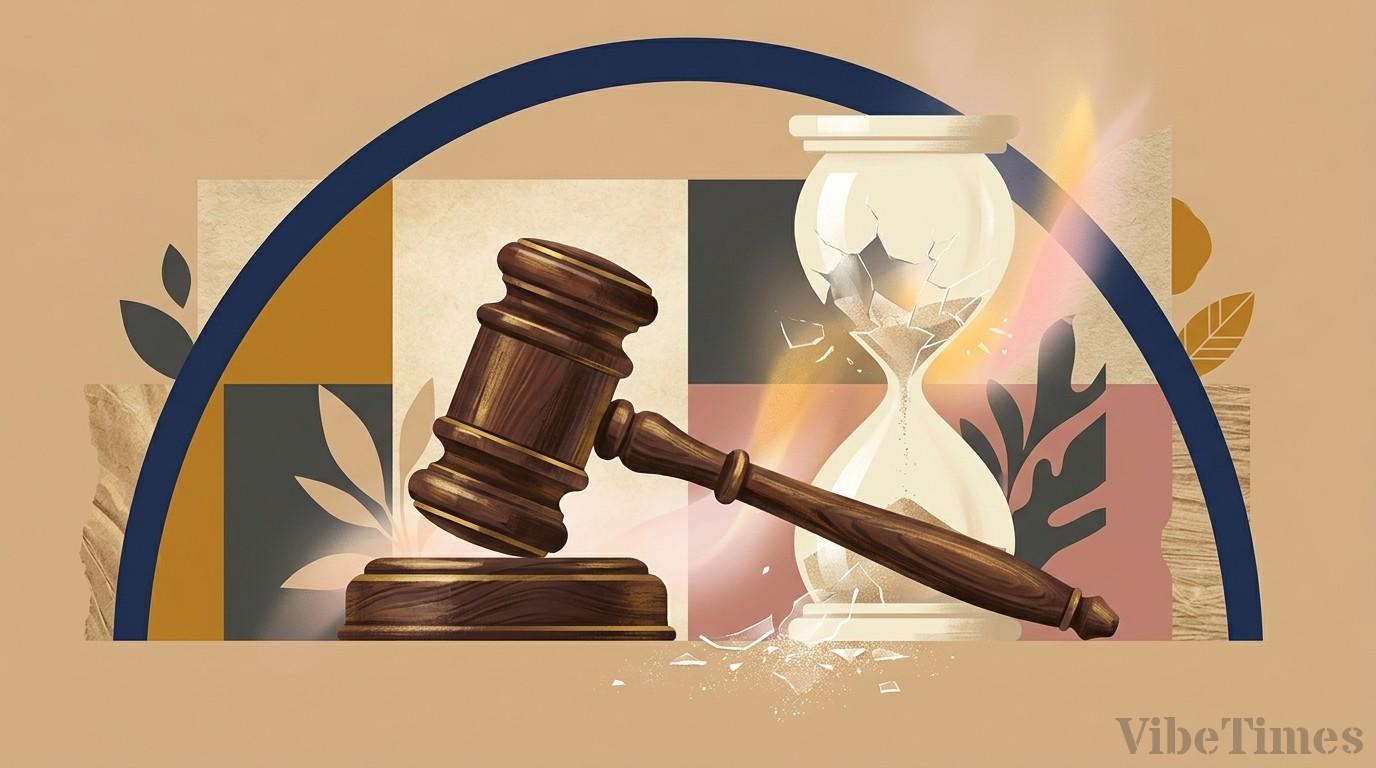
Legislation to Exclude Statute of Limitations for State Violence Crimes Expected to Gain Momentum in Parliament Post-June 3 Local Elections
Background of the Bill's Controversy: Spread of Fake News like 'May 18 North Korean Involvement Theory' and Punishment Debates
Following President Lee Jae-myung's order for 'strong retribution' against malicious fake news, such as the 'May 18 North Korean involvement theory,' during a senior secretaries' meeting on May 21, legislative efforts to exclude the statute of limitations for state violence crimes are once again drawing attention. Under the current legal system, the statute of limitations, which extinguishes the state's penal authority after a certain period has passed since a criminal act occurred, applies to most criminal cases. However, voices have consistently argued that applying this statute of limitations is inappropriate for certain claims that distort historical truth or reopen national wounds.
In particular, the legal community and parts of civil society have pointed out that it is unjust to miss the opportunity to punish acts that clearly spread false information contrary to historical facts, such as the 'May 18 North Korean involvement theory,' thereby undermining the meaning of the democratization movement. Against this backdrop, arguments for excluding or significantly extending the statute of limitations for criminal acts related to specific historical events are gaining traction. The President's remarks this time lend momentum to these legislative efforts, suggesting that related discussions in the National Assembly will become more active going forward. This can be interpreted as a move to rectify national identity and historical justice, beyond a mere amendment of the law.
Key Contents of the Bill and Anticipated Repercussions: Scope of Statute of Limitations Exclusion and Target Applicability
The core of the bill being discussed appears to be the exclusion of the current statute of limitations or a significant extension of its period for crimes related to the abuse of state power or violence, or for spreading clear false information that distorts or denies historical facts. Specifically, key targets could include distortions of events with established historical assessments, such as the North Korean involvement theory regarding the May 18 Democratization Movement, or acts related to the exercise of state power's violence, such as disseminating propaganda during military martial law. For example, the case of the former head of the Korea Policy Broadcasting Institute (KTV) undergoing a warrant review for seditious libel in relation to the December 3 emergency martial law illustrates that judicial judgments are being made on such criminal acts.
If a bill with such content is passed, past related cases for which the statute of limitations has already expired and could not be prosecuted, or similar future acts, could be subject to stronger and more substantive legal accountability. This could have a strong deterrent effect against attempts to distort historical truth and is seen optimistically as contributing to uncovering past truths and restoring the honor of victims. On the other hand, technical issues regarding the scope of retroactive application and clear legal definitions of 'state violence crimes' or 'historical distortion' exist, along with concerns about the potential chilling effect on freedom of expression. Criticism that the exclusion of the statute of limitations could be abused for specific political purposes is also likely to be raised.
Direction of the Pro-Con Debate: Divergent Opinions Among Ruling and Opposition Parties, Civic Groups, and Experts
Diverse opinions are clashing among political circles, civil society, and the legal community surrounding the legislative push to exclude the statute of limitations for state violence crimes. The ruling party views the President's remarks and legislative efforts as unavoidable measures to establish historical truth and protect democratic values. In particular, they argue that spreading clear falsehoods like the 'May 18 North Korean involvement theory' goes beyond mere expression of opinion and shakes the foundations of democracy, thus requiring strengthened legal accountability. Some figures, such as Song Eon-seok, co-chair of the People Power Party's election campaign committee, have presented differing views on the direction of the discussion by warning about the potential for abuse of the Corruption Investigation Office for High-ranking Officials (CIO) and special prosecutor systems, with statements like needing to block 'special probes to cover up the President's crimes.' This is interpreted not as opposition to the bill itself, but as a cautionary stance on the potential misuse of the system during the legislative process.
Conversely, the opposition parties, some civic groups, and the legal community are urging caution, raising concerns about infringements on freedom of expression and potential unconstitutionality. They argue that the statute of limitations exists for legal stability and the determination of individuals' legal status, and creating exceptions for specific cases could violate the principle of non-retroactivity of criminal law. Furthermore, there are concerns that if the scope of 'state violence crimes' or 'historical distortion' is interpreted arbitrarily, it could be misused as a tool to enforce specific political objectives or ideologies. The warrant review for former KTV head Lee Eun-woo on charges of seditious libel, which is currently ongoing, could influence the legislative discussion, and criticism arises that related legislation could lead to a witch hunt against specific past forces. Therefore, the prevailing opinion is that meticulous social consensus is needed on the specific content and scope of application of the bill.
Future Outlook: Active Parliamentary Discussions Expected After June 3 Local Elections
Legislative efforts related to the exclusion of the statute of limitations for state violence crimes are expected to gain momentum in earnest after the June 3 local elections. President Lee Jae-myung's remarks calling for 'strong retribution,' coupled with the decision by the second comprehensive special prosecutor (Prosecutor Kwon Chang-young) to extend the investigation period by 30 days and continue investigations beyond the local elections, suggest that related issues will remain in the spotlight in the current political climate. The ongoing special prosecutor investigations, including former President Yoon Suk-yeol's first appearance before the comprehensive special prosecutor in early June, are heightening public interest in judicial judgments related to historical events, which could influence legislative discussions. In particular, the fact that investigations into 'seditious libel' charges related to the December 3 emergency martial law are underway serves as a real-world example of the bill's potential application and highlights the necessity of legislation.
In the National Assembly, fierce debate is anticipated regarding the specific content of the bill, particularly the scope and definition of crimes subject to the exclusion of the statute of limitations, and whether it will be applied retroactively. The Presidential Office and the ruling party are expected to emphasize the legitimacy of the legislation and push for swift passage, while the opposition party is likely to oppose or demand amendments, citing concerns about infringements on freedom of expression and legal stability. The collection of opinions from civic groups and the shaping of public opinion will also be significant variables in this process. Changes in the political landscape within the National Assembly, depending on the results of the June 3 local elections, could also affect the momentum of legislative efforts. Therefore, considerable struggles are expected before related bills clear the parliamentary hurdles, but concrete legislative discussions are projected to accelerate, supported by public interest and the President's strong will. If the bill is passed, it will present new possibilities for resolving past issues and realizing historical justice, while the challenge of finding a balance between freedom of expression and legal stability will remain a critical task.