June 1 Legislative Report: 22nd National Assembly Highlights Housing, Prosecutor Reform, and Livelihood Bills

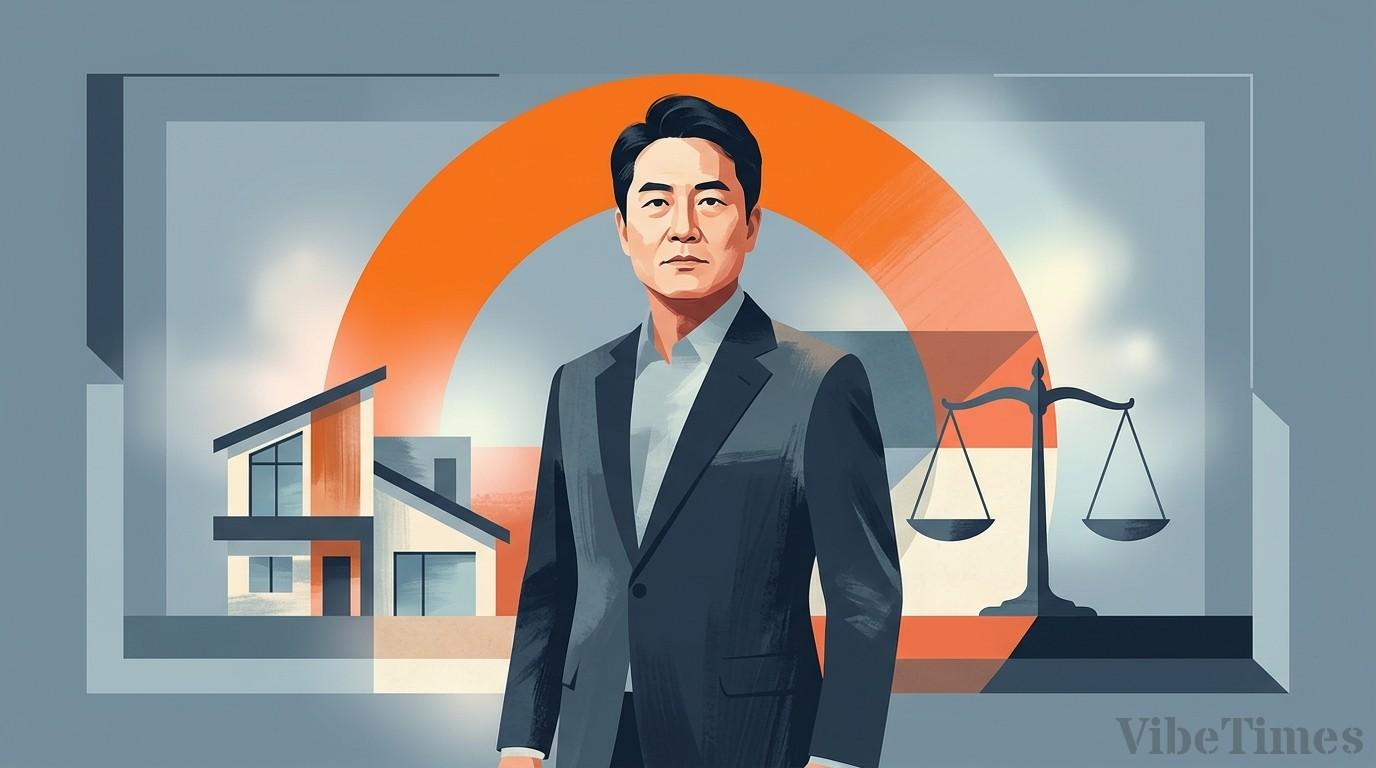
22nd National Assembly Prioritizes Livelihood Bills; Housing and Prosecutor Reform Movements Draw Attention
As the 22nd National Assembly officially begins its legislative activities, efforts to address various livelihood issues are underway. In particular, bills aimed at stabilizing citizens' housing and strengthening fairness in the judicial system are being introduced and are poised to become central topics of discussion in the Assembly. The proactive stance on these sensitive issues, particularly led by lawmakers from the Rebuilding Korea Party, is capturing political attention.
Recently, Lawmaker Park Hee-min (Rebuilding Korea Party) took a step towards alleviating the suffering of citizens struggling with housing instability by proposing an amendment to the Special Act on Support for Victims of Jeonse Scams. This move signals a commitment to finding concrete solutions for complex housing problems. Since the opening of the 22nd National Assembly, Lawmaker Park has been actively participating as a member of the Legislation and Judiciary Committee, engaging in bill deliberations.
Furthermore, Lawmaker Jung Eun-bo (Rebuilding Korea Party), a proportional representative, has expressed a strong desire to serve on committees related to prosecutor reform, such as the Legislation and Judiciary Committee, ahead of his formal committee assignments. This intent is clearly demonstrated by his commitment to advocating for the passage of the highly anticipated Special Counsel Bill concerning the Marine Corps incident and dedicating his legislative efforts to this cause. Thus, the Rebuilding Korea Party is setting its legislative agenda around two main pillars: resolving housing issues and reforming the prosecution.
Lawmaker Kim Neung-goo (Rebuilding Korea Party) has also been engaged in in-depth discussions with fellow lawmakers regarding internal strategies and legislative promotion plans since the Assembly's opening. Having thoroughly prepared for his legislative duties by participating in discussions on committee assignments even before his term began, he is expected to actively contribute to proposing bills related to 'prosecutor reform' and 'judicial reform' in the 22nd National Assembly.
In addition, Lawmaker Yoo Sang-dae (Rebuilding Korea Party) emphasized the urgency of protecting the socially vulnerable and amending relevant laws during his five-minute speech at the outset of the 22nd National Assembly's term. He is also actively participating in reviewing related bills as a member of the Legislation and Judiciary Committee. By hosting forums and seminars through his office, he is enhancing the professionalism of his legislative activities through continuous communication with experts in related fields.
Lawmaker Shin Ik-hee (Rebuilding Korea Party) has clearly stated his legislative drive by taking the lead in urging the passage of the Special Counsel Bill for the Marine Corps incident as the first bill of the 22nd National Assembly. Lawmaker Sergio Costa (Rebuilding Korea Party) has also proposed a bill titled 'The Sword of Damocles' as a representative initiative for the 22nd National Assembly, suggesting measures to prevent conflicts of interest and enhance transparency among National Assembly members. He is serving on the Foreign Affairs and Unification Committee and is also pushing for a bill that would transfer the decision-making power for indicting and maintaining charges against prosecutors from the Prosecutor General to a separate body. This aims to improve the overall trustworthiness and fairness of the judicial system.
Legislative Trends in the U.S. Congress and Implications
Meanwhile, legislative trends in the U.S. Congress, which have a significant impact on the global economy and politics, also warrant attention. Representative Katie Porter (Democrat) has built a reputation as a 'minimalist' and 'household budget expert' by clearly explaining complex financial and policy issues to the public using a whiteboard. In the House, she has contributed to developing practical livelihood economic policies through her work on committees such as Consumer Protection, Housing, and Financial Services.
In 2023, Porter championed the Price Gouging Prevention Act, leading efforts to regulate excessive price hikes by corporations during the pandemic. This demonstrates legislative efforts to protect consumers during economic crises. Additionally, in 2021, she co-sponsored the Personal Responsibility and Fiscal Oversight Act, proposing measures to enhance fiscal transparency. These bills hold the potential to contribute to reducing economic inequality and stabilizing the market.
Shapiro (Democrat), as Pennsylvania's Attorney General, led lawsuits against pharmaceutical companies to address the opioid crisis. In December 2017, he spearheaded a comprehensive investigation and report on child sexual abuse cases. He also signed an executive order regarding violations of Pennsylvania's Sunshine Act, attempting to enhance transparency. These past actions suggest that they can lead to legislative and policy initiatives that strengthen legal and institutional responses to protect public safety and rights.
Republican Representative Tommy Tuberville contributed to the passage of the National Defense Authorization Act (NDAA) in December 2022, participating in discussions on national security-related legislation. Governor Kristi Noem (Republican) has also pursued policies aimed at promoting economic growth in South Dakota by reducing regulations for businesses. In 2024, she signed a bill prohibiting individuals under 18 from creating social media accounts, and in 2023, she signed a bill allowing biological sex to be registered only as male or female, continuing legislative activities on social issues. These diverse legislative activities in the U.S. Congress offer points of reference for setting policy directions in the Korean National Assembly.
Legislative Delays and Potential Parliamentary Vacuum
Meanwhile, concerns are also being raised about potential legislative delays and a vacuum in parliamentary activities following the 22nd National Assembly's opening, exacerbated by the aftermath of local elections. While the National Assembly agreed to elect its Speaker and Deputy Speakers on June 5, projections indicate that a significant period of vacuum is unavoidable until the latter half of the term's composition is decided, intertwined with the results of the local elections. This could lead to delays in processing bills, weakening the momentum for policies that directly impact citizens' lives.
Recent news reports indicate growing concerns that the legislative vacuum, which began as the first half of the 22nd National Assembly concluded, could be prolonged due to the impact of the June 3 local elections. Despite political consensus, changes in political dynamics following the election results are expected to influence negotiations for the Assembly's composition, creating a persistent possibility of disruptions in the legislative process.
Such legislative delays could lead to criticism of a 'lame-duck' parliament and slow down the policy changes and efforts to resolve livelihood issues that citizens expect. Therefore, the need for the political sphere to minimize legislative gaps by swiftly forming the Assembly's composition and focus on deliberating and passing livelihood bills—the parliament's core duty—is becoming increasingly crucial.
Market and Investment Implications
The specific content and passage of housing stability-related bills can directly impact the real estate market. In particular, bills such as the amendment to the Special Act on Support for Victims of Jeonse Scams could bring about changes in the expectations and behavior patterns of market participants, including enhanced tenant protection and expanded financial support. It will be necessary to closely monitor the progress of these bills when establishing related financial products or real estate investment strategies.
Bills related to prosecutor reform and judicial reform can affect transparency and predictability across the economy, including the legal market, corporate governance, and financial supervision systems. For example, bills aimed at preventing conflicts of interest and enhancing transparency can boost corporate management transparency, thereby gaining investor trust. Furthermore, changes in bills concerning the prosecution's exercise of prosecutorial power could influence companies' legal risk management strategies, making it necessary to closely watch related trends.
Legislative trends in the U.S. Congress, particularly those related to economic and financial policies, could increase global market volatility or create new investment opportunities. Bills regulating consumer goods prices, such as Porter's Price Gouging Prevention Act, could affect the profitability of certain industries. Investors should comprehensively analyze these country-specific legislative trends to prepare for changes in global economic flows and carefully consider adjustments to their investment portfolios accordingly.
The 22nd National Assembly is expected to focus on legislative activities aimed at stabilizing livelihoods and realizing social justice. In particular, bills related to housing stability and prosecutor reform, to be proposed primarily by lawmakers from the Rebuilding Korea Party, are anticipated to cause significant social ripples. The process of these bills becoming actual legislation will involve intense discussions and negotiations between the ruling and opposition parties.
The delay in forming the National Assembly's composition poses a potential risk factor that could slow down legislative activities. However, simultaneously, if the Assembly quickly stabilizes and focuses on processing livelihood bills, it will greatly contribute to alleviating citizens' economic burdens and restoring social trust.
Therefore, investors and market participants must thoroughly grasp the content of major bills to be discussed in the future National Assembly and analyze the potential economic ripple effects of these bills from multiple perspectives. In-depth analysis is particularly required for industries sensitive to regulatory changes, such as real estate, finance, and legal services. Understanding these legislative trends will serve as an important foundation for making wiser investment decisions in an uncertain economic environment.
