Former President Yoon Suk-yeol Begins Second Round of Comprehensive Special Prosecutor Investigation

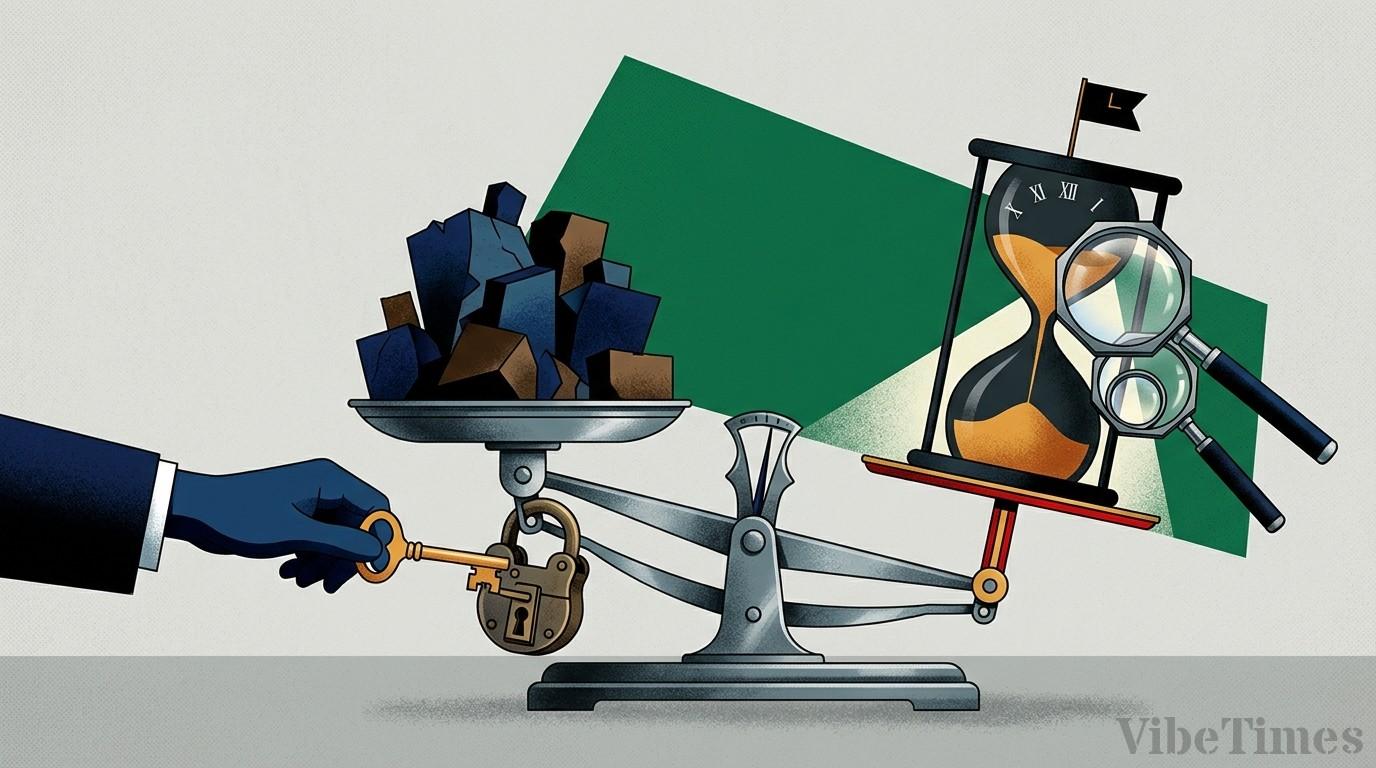
Special Prosecutor Investigation Enters Second Phase, Analyzing Legislative Disputes and Future Ramifications
The second investigation into former President Yoon Suk-yeol by the special prosecutor's team, lasting nine hours, has reignited political debate surrounding the passage of related legislation. Summoned to the special prosecutor's office in Gwacheon, Gyeonggi Province, on the 13th, Yoon concluded his questioning around 6:46 PM and was taken to the Seoul Detention Center. This investigation is part of the second comprehensive special prosecutor team's (Special Prosecutor Kwon Chang-young) inquiry, examining whether the deployment of troops to the National Assembly and other locations during the December 3 Emergency Martial Law constituted rebellion under the Military Criminal Act, in addition to insurrection.
Recently, various legislative bills have emerged as political focal points in the National Assembly, capturing widespread public attention. In particular, bills concerning prosecutorial reform have sparked intense confrontation between the ruling and opposition parties due to their significant ripple effects. Jang Dong-hyuk, a leader of the People Power Party, proposed a parliamentary inquiry and the appointment of a special prosecutor in connection with the ballot shortage incident during the June 3 local elections, suggesting a tripartite meeting with Prime Minister Han Duck-soo and Lee Jae-myung, leader of the Democratic Party of Korea. These calls emphasize the need for institutional mechanisms to ensure fairness and transparency in election management, raising fundamental questions about current laws and administrative systems. Furthermore, former Daegu Mayor Hong Joon-pyo criticized the push for prosecutorial reform legislation as 'legislative high-handedness,' warning that it could lead to an era dominated by the police and a haven for criminals, and argued for a re-examination of the prosecution's constitutional role. Such statements suggest the necessity of in-depth discussions on procedural legitimacy and substantive effects during the legislative process.
Legislative Issues and Core Contents: Power Distribution and Accountability
Key legislative bills currently under discussion in the National Assembly aim to strengthen checks and balances on national power institutions and enhance accountability. Policy proposals related to judicial reform, championed by Rep. Kim Sung-tae in the 22nd National Assembly, include contentious issues such as separating the prosecution's indictment authority. This reflects a commitment to preventing the overconcentration of prosecutorial power and realizing judicial justice. Additionally, the 'Han Dong-hoon Special Prosecutor Act' advocated by the Jo Guk Innovation Party is viewed as embodying the public's aspiration for the completion of prosecutorial reform. These bills are expected to have significant repercussions, as they involve readjusting the authority of relevant ministries or mandating strict external investigations into specific matters.
The core of these bills focuses on establishing independent investigative bodies for the actions of specific institutions or individuals and clearly defining their powers and responsibilities. For instance, a special prosecutor appointed through a National Assembly resolution plays a role in clarifying suspicions that existing investigative agencies have failed to uncover. This can be seen as an effort to enhance transparency in the nation's highest decision-making processes and clarify accountability, as exemplified by concerns raised about the diversion of funds during the relocation of the presidential residence.
Debate: Democratic Principles and Political Dynamics
The debate surrounding these bills extends beyond mere interpretation of legal clauses, reflecting a complex interplay of fundamental democratic principles and political dynamics. Diverse opinions are being voiced not only between the ruling and opposition parties but also among civic groups and experts. Proponents argue that these are essential mechanisms for checking the abuse of power institutions and fulfilling the public's right to know. They particularly emphasize that bills related to prosecutorial reform will contribute to enhancing the fairness of the judicial system and restoring public trust. Jang Dong-hyuk's proposal for 'discussions on by-elections and special prosecutors' can also be interpreted as political and institutional measures to clarify responsibility for electoral mismanagement and prevent recurrence.
Conversely, opponents or those advocating for caution express concerns that the legislation may be exploited by specific political factions or could undermine the foundations of the rule of law. As noted by former Mayor Hong Joon-pyo, criticisms have been raised that prosecutorial reform could devolve into retaliatory legislation. Furthermore, concerns are raised that the introduction of special prosecutors may intensify political conflict and lead to instability in state administration. These opposing stances clash sharply over specific details such as the actual scope of application, investigation boundaries, and appointment procedures, which are expected to significantly influence the future passage of the bills.
Future Outlook: Legislative Process and Market/Social Impact
As the comprehensive special prosecutor's second investigation progresses and debates between the ruling and opposition parties intensify, the future legislative process for related bills remains uncertain. The passage and timing of these bills are likely to be determined by the National Assembly's seat distribution and the political strategies of each party. If consensus between the parties is not reached, the bills may be shelved or rejected, in which case the existing legal and institutional frameworks would persist. Conversely, if political agreement is achieved, the bills will pass the National Assembly and establish new legal standards. Building public consensus and achieving social agreement are expected to be crucial variables in this process.
The outcome of this legislative process is anticipated to have a considerable impact across the economy and society. Depending on the content of the bills, regulations in specific industrial sectors may be strengthened or relaxed, and changes in the corporate management environment may become unavoidable. In particular, the enhancement or reduction of accountability for power institutions will directly affect the credibility and execution of government policies, serving as important considerations for investors and market participants in their decision-making processes. For example, if legislation related to judicial reform is passed, increased expectations for fairness in law enforcement could positively influence long-term corporate investment decisions. Conversely, if political uncertainty persists, increased market volatility in the short term cannot be ruled out. Therefore, closely monitoring the content and passage of related legislation, and analyzing its economic and social repercussions, is essential.