Comprehensive Special Probe Launched into Martial Law Allegations

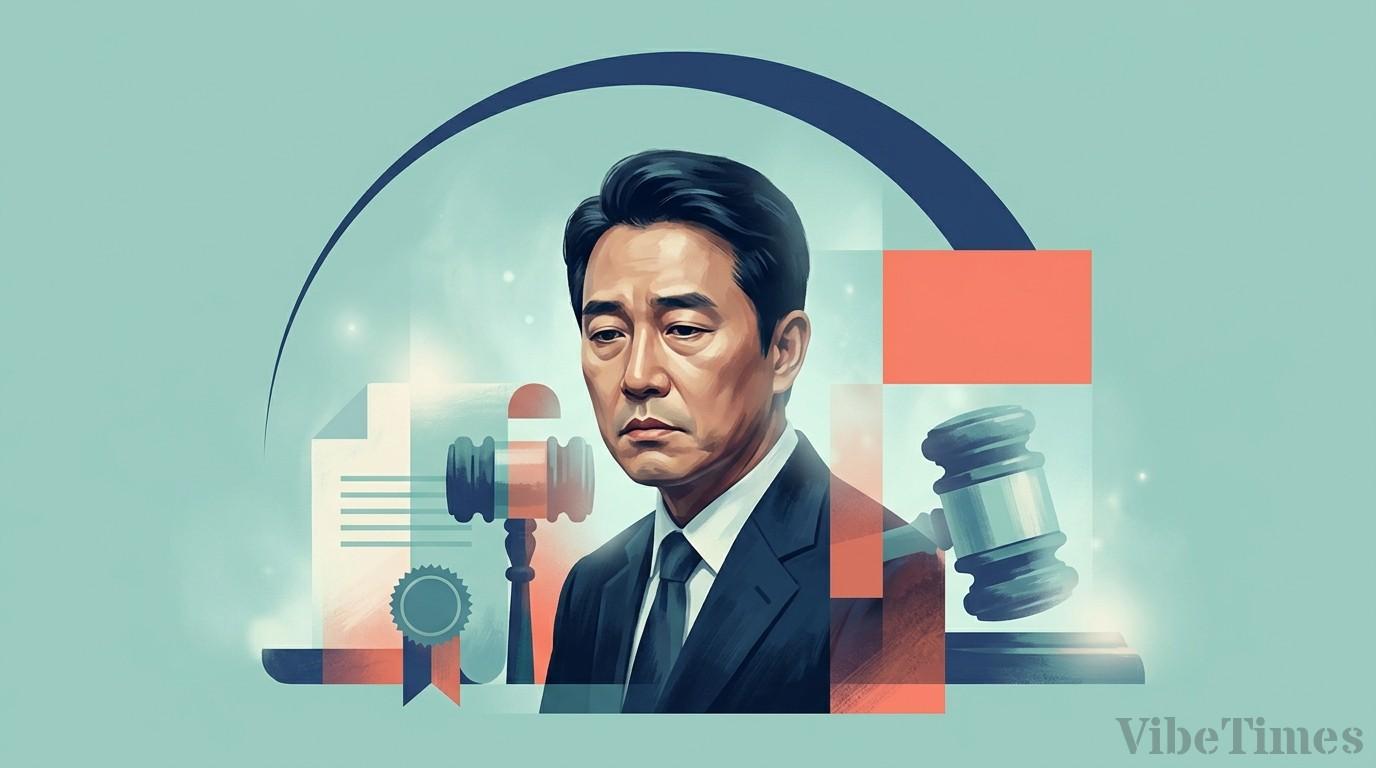
Comprehensive Special Probe Initiates Wide-Ranging Investigation into Martial Law Allegations
Former Prosecutor General Sim Woo-jung, who faces allegations of involvement in sedition during the period of martial law, has appeared before the second comprehensive special investigation team and begun undergoing questioning. Concurrently, former Ministry of Justice Correction Bureau Chief Shin Yong-hae is also being summoned for similar charges. This marks the full-scale commencement of judicial clarification into suspicions linked to significant past political events. The move is interpreted not merely as a historical reckoning but as an effort to clarify the rule of law and establish accountability in the present.
On the 24th, Sim Woo-jung appeared before the second comprehensive special investigation team (Special Prosecutor Kwon Chang-young) as a suspect, facing allegations including considering the dispatch of prosecutors to the Joint Investigation Headquarters of the Martial Law Command during the 12.3 Martial Law period. Sim is being investigated for charges of engaging in important seditious duties and abuse of power. On the same day, Shin Yong-hae, former chief of the Ministry of Justice's Correction Bureau, also visited the special prosecutor's office in Gwacheon City for questioning regarding allegations of attempting to implement orders to secure holding facilities for those violating martial law decrees. The individuals being investigated are now undergoing rigorous scrutiny regarding how they exercised their authority during the national crisis at the time, and whether their decisions adhered to legal and ethical standards.
Background of Demands for Legislative Reform and Special Prosecutor Initiatives
These comprehensive special investigation efforts align with the escalating demands for legislative reform and accountability sweeping across the political landscape. In particular, voices calling for reform of the National Election Commission and the election management system are growing louder, with statements indicating that all avenues, including constitutional amendments, will be pursued to achieve this. The Democratic Party of Korea's Task Force for the Protection of Citizen Participation Rights stated on the 24th that "substantial reform of the National Election Commission and election management system must be achieved as quickly as possible, potentially including constitutional amendment." This suggests a societal consensus has formed regarding the limitations and inefficiencies of existing systems, necessitating fundamental changes to build a transparent and fair framework.
Furthermore, the ongoing consultation between the Ministry of Justice, the National Assembly, and the Ministry of Government Legislation regarding whether to discipline Ko-dong-woon, the chief of the Corruption Investigation Office for High-ranking Officials (CIO), in relation to the Corporal Chae Special Prosecutor Act, is noteworthy. Criticism has been raised that the CIO chief intentionally refused the dispatch obligation stipulated in the special prosecutor's bill, causing disruptions in maintaining public prosecution, leading to discussions about the necessity of disciplinary action. This serves as an example highlighting the importance of faithful adherence to legal procedures and inter-agency cooperation, and is expected to act as a warning for future similar situations.
Amidst this confluence of complex events unfolding simultaneously, the political sphere faces the dual challenges of power reshuffling and accountability. As the ruling party enters its convention phase and negotiations for the National Assembly's organizational structure encounter difficulties, government audits of the Election Commission and special probes into martial law are emerging as critical issues for holding state institutions accountable. This series of events is being accepted as an unavoidable process to restore public trust and strengthen the rule of law.
Key Legal Provisions and Expected Market/Societal Repercussions
At the core of the ongoing investigations and legislative movements lies the thorough investigation of past abuses of power and illegal acts, and the punishment of those responsible. Specifically, the investigation into martial law allegations encompasses grave constitutional and criminal matters such as engaging in important seditious duties, abuse of power, and violation of martial law decrees. This is interpreted as an intent to scrutinize not just individual misconduct but the very operational principles of the national system and its decision-making processes during crises. Depending on the investigation's outcome, further judicial judgments may be made against high-ranking officials who participated in the decision-making processes at the time, which could significantly impact the credibility and operational methods of related agencies.
These investigative processes and their results are expected to serve as an opportunity to enhance public perception of the rule of law across society. Additionally, legislative movements, such as discussions for reforming the election management system, are anticipated to contribute to strengthening the transparency and fairness of the political system going forward. If the reform of the National Election Commission is formulated into concrete legislation and passed, public trust in the fairness of the election process can be restored, becoming a crucial engine for democratic development. Furthermore, the process of proposing and pursuing special prosecutor bills is notable for strengthening the checks and balances function of the legislature. The process of resolving suspicions on specific matters and uncovering the truth is essential for alleviating social conflict and establishing a stable foundation for national governance.
Future Outlook and Legislative Procedures
The comprehensive special investigation team is expected to focus on gathering evidence by continuing investigations into key figures, including former Prosecutor General Sim Woo-jung. Depending on the investigation's results, there is a high probability of summoning additional suspects or referring cases for indictment. Related agencies such as the Ministry of Justice, the National Assembly, and the Ministry of Government Legislation will complete their feedback within the deadline for submitting opinions on the disciplinary action for CIO Chief Ko-dong-woon, which will serve as important reference material for discussions on the CIO's future operations and the securing of its independence. Various debates regarding legal interpretation and application may arise during this process, with final judgments to be made by judicial authorities.
The task force's efforts for the reform of the National Election Commission are also expected to become more concrete. As broad agreement between the ruling and opposition parties is essential for constitutional amendment discussions to materialize, related public hearings and debates are anticipated to be actively held. However, since constitutional amendment requires a national referendum, it will necessitate considerable time and efforts to achieve social consensus. The subsequent procedures related to the Corporal Chae Special Prosecutor Act will also be determined after synthesizing opinions from relevant agencies, setting an important precedent for the legislative process and implementation of similar bills in the future. Overall, the diverse legislative bills and special investigation issues currently underway are likely to unfold over a longer period rather than concluding quickly, requiring the attention and participation of all segments of society at each stage.

쿠팡 파트너스 활동의 일환으로 일정 수수료를 제공받습니다