National Assembly Passes Criminal Procedure Code Revision: Transfers Investigation Authority to Police, Leaving Prosecutors with Indictment Rights

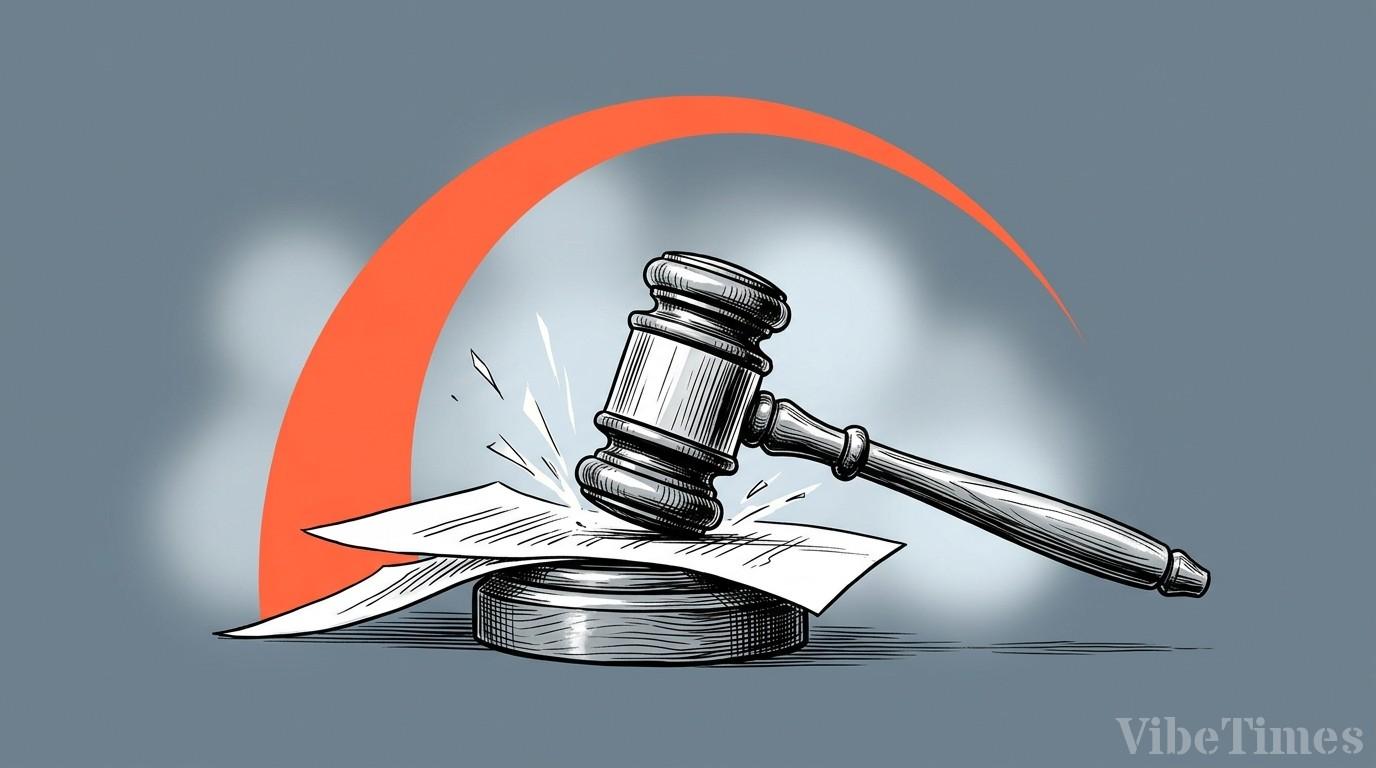
78 Years Since Last Major Judicial Overhaul: Complete Separation of Investigation and Prosecution
The judicial system, facing its most significant structural change since its enactment in 1954, has officially entered a new轨道. On the 31st, the National Assembly passed a revision to the Criminal Procedure Act that completely bans prosecutors from conducting direct investigations. This marks the conclusion of a long-standing constitutional controversy regarding the separation of investigation and prosecution powers. The result comes approximately one year and two months after the administration accelerated its efforts to push the legislation. The new structure maintains the prosecution's indictment powers while transferring direct investigative functions to the police and other specialized agencies. The familiar drama trope of prosecutors personally scouring crime scenes to investigate cases has now become a thing of the past.
Core Provisions of the Bill and Impact on the Judicial System
The central tenet of the revision is the complete abolition of the prosecution's supplementary investigation rights currently stipulated in the Criminal Procedure Act. Previously, prosecutors could exercise the authority to conduct additional investigations independently if deemed necessary, even after indicting a case. This process served as a powerful tool, allowing the prosecution to alter the direction of a case independently, often overshadowing evidence collected by the police. Under the revised law, prosecutors will be prohibited from performing basic investigative acts such as interrogating suspects or requesting warrants.
The system shifts to one where the police hold exclusive investigative authority, and prosecutors decide solely on whether to indict based on the evidence handed over by the police. As the police assume responsibility for the entire investigation process from start to finish, accountability at the investigation scene becomes clearer. However, while losing the authority to supplement investigations, the prosecution retains an indirect control mechanism: the power to return poorly investigated cases and demand补充. This establishes a balanced model where the prosecution's monopoly on indictment and the police's monopoly on investigation act as checks on each other.
Fierce Debate and Political Conflict over the Reform Bill
This legislation sparked one of the most heated debates of any recent bill. The ruling party and civic groups emphasized it as an essential reform to prevent the nation's prosecution from becoming a power unto itself and to secure political neutrality. The argument is that it is necessary to fundamentally block the risk that excessively concentrated power could devolve into a tool for a specific regime. It was also pointed out that the move aligns with international standards of separating the roles of entities responsible for investigation and trial, while strengthening the rule of law and democratic principles.
Conversely, the opposition party and some legal experts raised voices of concern. They rebutted that the police monopoly on investigation would simply create another massive power, making state control difficult in the end. In particular, criticisms were raised regarding the police's lack of capacity in cases requiring high expertise and national resources, such as organized crime, complex economic crimes, and multinational drug offenses. There was also the possibility that the rights of suspects, already in a disadvantageous position from the investigation stage, could be violated by the police. Accordingly, strengthening the right to counsel for suspect protection and establishing strict post-investigation control mechanisms have emerged as essential follow-up tasks.
Future Legislative Schedule and Tasks for Institutional Settlement
The passage of the Criminal Procedure Act revision is merely the starting point of the judicial system reform. The National Assembly is expected to begin follow-up legislation during the upcoming provisional session in August to ensure the smooth implementation of the law. Discussions will include the revision of the Police Duty Execution Act to specify how prosecutors exercise indictment powers and significantly strengthen the powers of an independent external monitoring body to check police investigations. A plan to establish a ministerial committee to guarantee the political neutrality of the National Investigation Headquarters of the National Police Agency is also being handled as a key agenda item.
By completely excluding the direct investigative function of prosecutors, an institutional foundation has been completed to ensure that the exercise of the state's penal power undergoes transparent and fair procedures.
The Constitutional Court and the Supreme Court are currently engaged in follow-up efforts to reorganize existing precedents and strictly adjust evidence admissibility standards in line with the purpose of the revised law. It is a critical moment for effective human rights guarantees, such as the mandatory recording of audio and video during suspect interrogation, to be established quickly. It is analyzed that this will enable a leap toward a mature, advanced judicial state where swift law enforcement and the protection of citizens' basic rights are achieved simultaneously.