Bill Stripping Special Counsel of Investigative Powers Withdrawn Two Days After Counsel's Launch

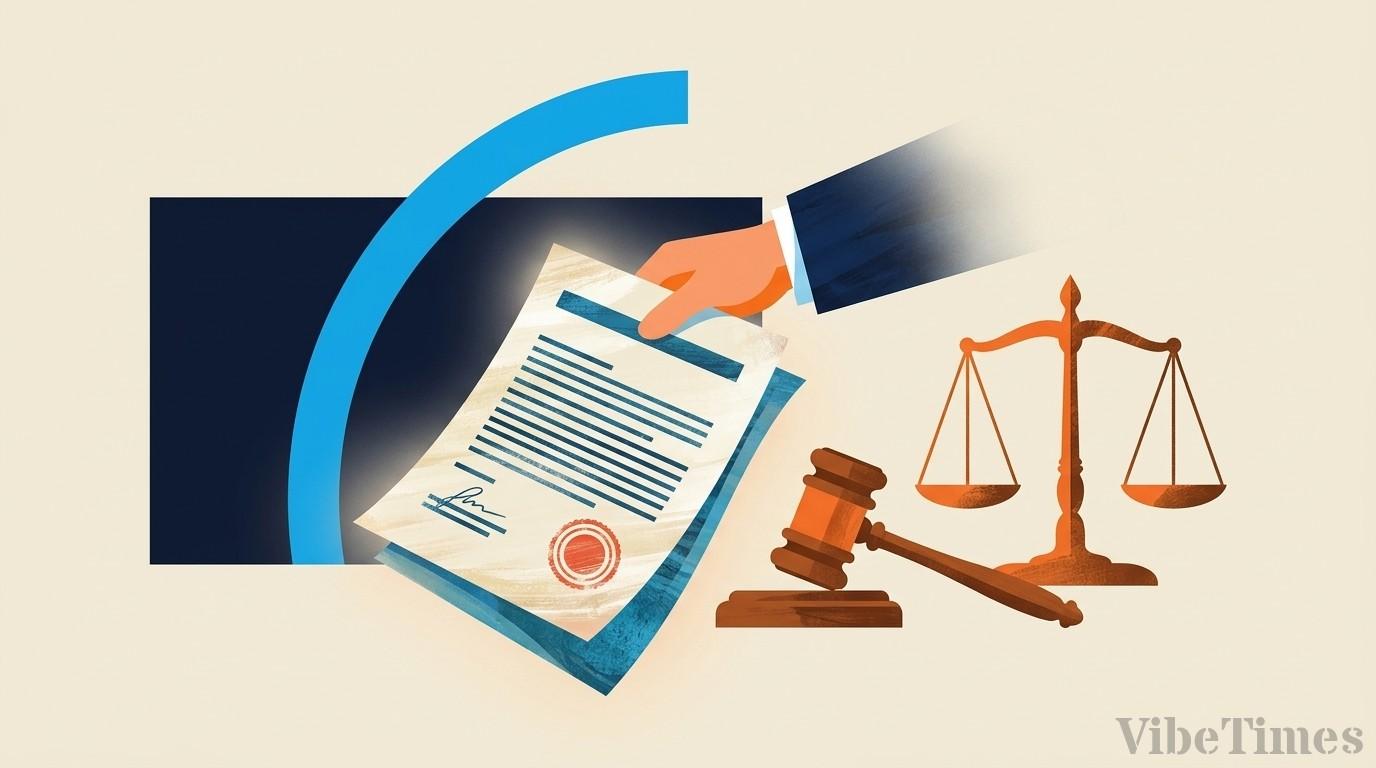
A bill stripping dispatched prosecutors of their investigative powers—tabled just one day after the special counsel on the National Election Commission opened for business—vanished without a trace two days later.
On the 8th of this month, the day the special counsel was inaugurated, Democratic Party of Korea lawmakers on the National Assembly's Legislation and Judiciary Committee introduced a bill eliminating the investigative powers of dispatched prosecutors. As the uproar grew, the party said the bill had been submitted in error and announced it would pull it. The retreat came amid criticism that the ruling party had itself fueled confusion over the reorganization of investigative agencies—with the abolition of the prosecution service just 22 days away.
Special Counsel Crisis Hits One Day After Launch
The special counsel was launched under the special counsel law on the National Election Commission, passed with bipartisan agreement, centered on Special Counsel Lee Tae-han. The team's mandate is to investigate suspicions surrounding the election watchdog. Because the special prosecutor is appointed with the consent of the National Assembly and leads the probe on a temporary basis, how much staff and authority the office secures in its early days determines the speed and depth of the investigation.
The problem was the timing. Just one day after the counsel began operating, a bill emerged from within the ruling party to curtail the authority of the dispatched prosecutors who handle the investigative legwork. Critics immediately accused the party of moving to tamper with a system both parties had built together, right after its launch.
What's Wrong With Stripping Dispatched Prosecutors of Their Powers
The gist of the amendment is to withhold investigative authority from prosecutors seconded to the special counsel team. The counsel cannot manage a case this vast with only the special prosecutor and a handful of senior prosecutors, and it relies on dispatched prosecutors and investigators for most of the day-to-day work. Even coercive steps, such as interrogating suspects and seeking warrants, pass through their hands. Without investigative powers, dispatched prosecutors would be reduced to support staff, and the investigation itself could grind to a halt.
The fact that the prosecution service's abolition is now just 22 days away complicates matters further. If the question of staffing the special counsel compounds an opaque system for recruiting new prosecutors after abolition, fears of an investigative vacuum could become reality. That is why some see the bill's introduction itself as throwing cold water on the counsel's operations.
Cross-Party Sparring and a Two-Day Retreat
Jeong Jeong-sik, floor leader of the People Power Party, held an emergency press conference at the National Assembly on the 10th and struck back hard.
"A fraudulent move to gut a special counsel law forged through bipartisan agreement" — Jeong Jeong-sik, floor leader of the People Power Party
The logic: an attempt to shrink the investigative powers of a counsel born of a bipartisan deal, a mere day after its launch, shatters trust in the institution itself. In the end, the Democratic Party drew the line. House spokesperson Lee Joo-hee said in a media notice that the bill had been proposed in error and would be withdrawn. Piecing together Yonhap News reporting, Democratic lawmakers on the Legislation and Judiciary Committee introduced the amendment and then retracted it two days later as the controversy swelled. The possibility of re-introducing an identical bill, however, remains.
Remaining Tasks and the Legislative Outlook
The withdrawal clears the immediate crisis over investigative powers, but the underlying problem is unchanged. There is still no institutional answer to where and how prosecutors will be seconded to the special counsel once the prosecution service is gone.
On the 10th, President Lee Jae-myung ordered revisions and supplements to the Justice Ministry's proposed organizational plan for the Public Prosecution Office and the enforcement decree of the Act on the Number of Prosecutors. The president faulted the plan for keeping the number of prosecutors unchanged even though investigative authority has been fully transferred, and also objected to the successor body being named for "judicial control" rather than "judicial guidance." The Public Prosecution Office plan, pre-notified for legislation with a quota of 2,292 prosecutors, is expected to be redrawn. Justice Minister Yoon Ho-jung said the ministry would re-issue the legislative pre-notice if necessary.
Sparring on the floor of the Legislation and Judiciary Committee looks set to continue. The prevailing view is that the special counsel can only operate without gaps if legislation clarifying the basis for dispatched prosecutors' investigations is put in place alongside rules for staffing the counsel. The closer the prosecution overhaul draws, the more the durability of the bipartisan agreement is expected to be put to the test once again.