For Losing Body Fat, a High-Protein Low-Carb Diet Beats Keto

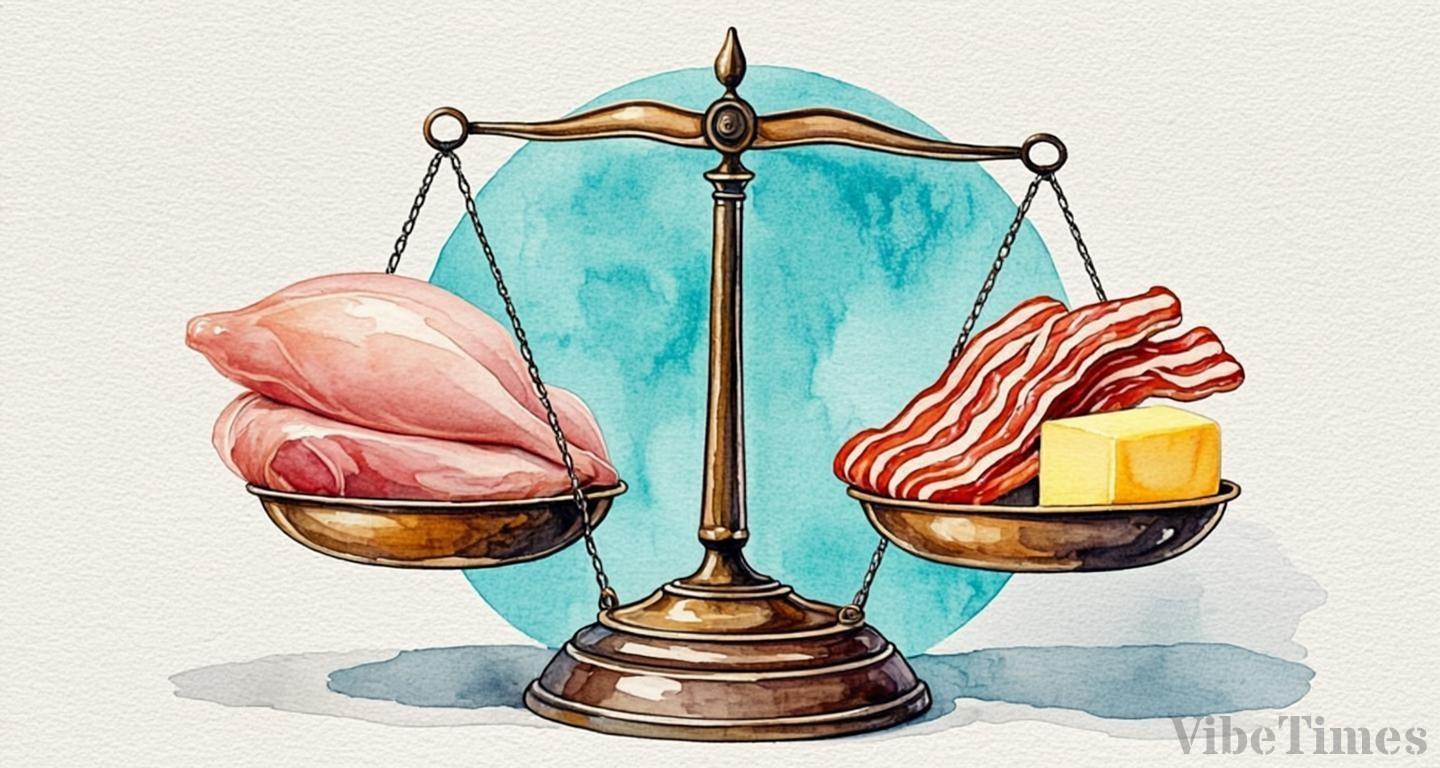
The winner in body fat loss is the high-protein low-carb diet.
Looking only at the scale, the contest between the two diets is essentially a tie—but body composition changes differently. If the goal is to "lose fat only," the answer is clear. Research data and expert opinion converge on the conclusion that a high-protein low-carb diet, which burns fat while preserving muscle, is advantageous for most people compared to the low-carb high-fat (keto) diet.
Low-Carb High-Fat vs. High-Protein Low-Carb: Two Diets Designed Differently From the Start
Low-Carb High-Fat: Over 70% Fat, With Ketones as Fuel
The low-carb high-fat diet, i.e., the ketogenic diet, consists of 5–10% carbohydrates, 15–20% protein, and 70–75% or more fat. Its core mechanism is drastically reducing carbohydrates to put the body into a state called ketosis, where it uses ketones—produced by breaking down fat—as its primary fuel. The problem lies in the design itself, which caps protein at under 20%. While this is a choice made to maintain ketosis, it works against muscle preservation during weight loss.
High-Protein Low-Carb: 30–40% Protein, With Muscle Preservation and Satiety as Its Weapons
The high-protein low-carb diet (LCHP) is structured with 20–30% carbohydrates, 30–40% protein, and 35–45% fat. Rather than inducing ketosis, it focuses on preserving muscle mass and creating a caloric deficit naturally through high satiety. It is also the approach diet coaches most commonly recommend in practice. Protein most strongly stimulates the secretion of satiety hormones such as GLP-1 and PYY, and its effect of spontaneously reducing calorie intake is stable over the long term.
The Actual Outcome, According to Research Data
Weight Loss Itself: The Difference Disappears After 6 Months
According to a 2020 systematic review by Gloge-Kordan et al., the difference in weight loss between the two diets at 6–12 months was not statistically significant. In Stanford's Gardner study as well, keto had a slight edge in the short term at 3 months, but by 12 months the difference had essentially vanished. As long as a caloric deficit is secured, weight comes off on any diet. The variable that determines long-term success is not the type of diet but its sustainability.
In Body Composition, High-Protein Overwhelmingly Wins
The meta-analysis by Pesta & Samuel (2014) and a 2020 review in the International Journal of Obesity reach a consistent conclusion. High-protein diets showed significantly better preservation of lean mass—that is, muscle—compared to low-protein diets, with similar or greater rates of body fat reduction. A 2018 study by Mettler et al. also found that during a weight-loss phase, the group consuming 2.3g of protein per kilogram of body weight minimized muscle loss compared to the group consuming 1.0g. In summary, "the quality of the weight lost" differs. With high protein, the loss comes mainly from fat, but with keto—where protein is capped at 15–20%—the risk of muscle loss during dieting increases.
Why Low-Carb High-Fat Is Disadvantaged for Body Fat Loss
Muscle loss lowers metabolic rate
When muscle is lost during a diet, basal metabolic rate drops and a weight-loss plateau arrives sooner even at the same food intake. The low protein ratio of the keto diet becomes the starting point of this vicious cycle. If the goal is body fat loss, the ideal is for only fat to come off, so a high-protein structure that preserves muscle aligns exactly with that goal.
Sustainability and Health Risks
A diet maintaining over 70% fat has a high probability of failure in terms of dining out, social life, and long-term adherence. Real counseling cases confirm instances of muscle loss and rebound after attempting keto. The American Heart Association (AHA) takes a cautious stance on keto's potential to raise LDL cholesterol, and debate over the cardiovascular risks of long-term high fat intake has continued since 2023. The appetite-suppressing effect from ketones in the early stages is distinct, but the problem is that sustaining it afterward is difficult.
Practical Application: How to Design a High-Protein Low-Carb Diet
Fix Your Protein Grams Before Your Ratios
In practice, intake based on body weight is more useful than ratio calculations. During a weight-loss phase, target 1.5–2.2g of protein per kilogram of body weight. For a 70kg adult, that's 105–155g per day. Keep carbohydrates within a range of 80–120g per day, focusing on brown rice and oats while limiting only snack foods, and fill the remaining calories with unsaturated fats like olive oil, nuts, and fatty fish—the high-protein low-carb structure then comes together naturally.
Three Essential Conditions: Caloric Deficit, Strength Training, and Hydration & Electrolytes
No diet can shed body fat without a caloric deficit. Combine strength training 2–3 times a week to maximize the muscle-preserving benefits of high protein. Because reducing carbohydrates causes significant early water loss, maintaining adequate sodium, potassium, magnesium, and fluids is key to preventing fatigue. Both diets carry a risk of fiber deficiency, so supplementing with vegetables and low-sugar fruits is also necessary.
Designing an Endpoint That Prevents Rebound
True success requires planning for a maintenance diet even after weight loss is complete. Thanks to its 20–30% carbohydrate allowance, transitioning to maintenance is easy with high-protein low-carb. In contrast, returning from an extreme ketogenic diet to a normal diet easily triggers rebound, with water and fat rapidly returning. To borrow the conclusion of sustainability researchers: the best diet is the one you can follow the longest. The diet that secures continuity between the weight-loss phase and the maintenance phase is the ultimate winner.
Conclusion: The Three Core Principles of Body Fat Loss
To summarize, the principles of body fat loss boil down to three: caloric deficit, sufficient protein, and sustainability. For ordinary people who also do strength training, high-protein low-carb is close to the correct answer. If insulin resistance is severe or rapid initial weight loss is needed, a strategy of trying keto short-term and then switching to high-protein low-carb is the next best option. However, people with type 1 diabetes, liver or gallbladder disease, and pregnant women should not do keto, and those with kidney disease must consult a doctor before attempting high protein. Before starting any diet, check for chronic conditions and medications and consult a professional—that is the safe starting point.
