US Iran Policy Fails to Achieve Key Goals Despite $25 Billion Spending

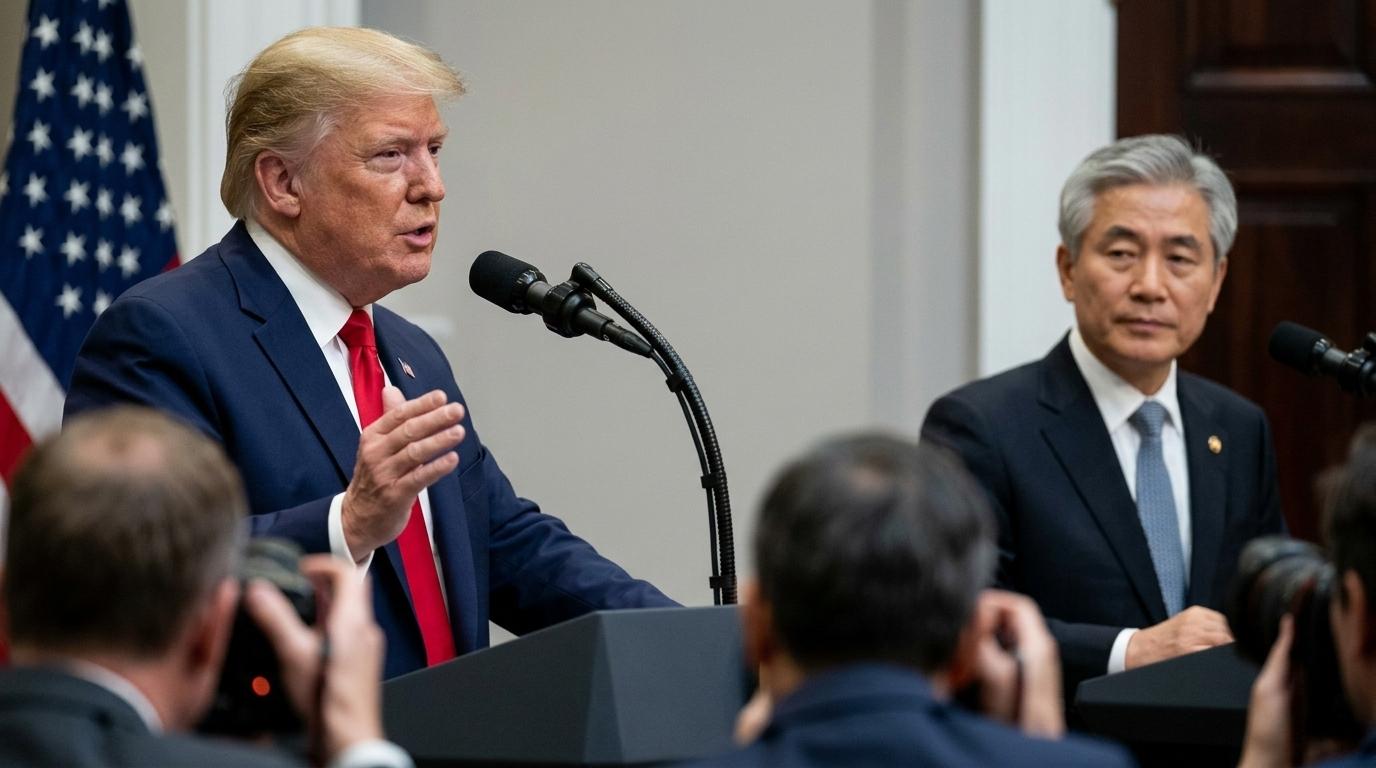
President Donald Trump's Iran policy has failed to achieve core objectives, such as halting Iran's nuclear program, despite consuming vast resources. Kwak Tae-hwan, former president of the Korea Institute for National Unification (and current chairman of the Korea Future Strategy Institute), points out that the US policy towards Iran lacked strategic clarity from its inception. While military pressure and sanctions were pursued concurrently with unclear policy goals, the outcome was massive expenditure with meager results.
The United States announced spending approximately $25 billion (37 trillion won) on war costs since February 28 of this year. According to the US Department of Defense, about $25 billion was invested between February 28 and the end of April. An average of $1.8 billion was spent daily for the first six days, followed by $500 million per day, and even $170 million daily during the ceasefire period.
Despite demands for the removal of highly enriched uranium and a halt to enrichment, Iran has maintained its stance of refusing to abandon its nuclear program, leading to a stalemate. Although thousands of individuals, companies, and vessels have been targeted by sanctions, Iran has continued its oil exports, sustaining its economic base. While the sanctions achieved some success in inflicting economic damage, they failed to elicit a fundamental shift in the regime's core policies.
Furthermore, the US has failed to ensure stable management of the Strait of Hormuz. Iran has leveraged this situation, weaponizing it to exert pressure on the international energy market and creating difficulties in controlling strategic assets.