Saving Strategies That Make a 10,000-Won Weekend Date Feel Full-Fledged

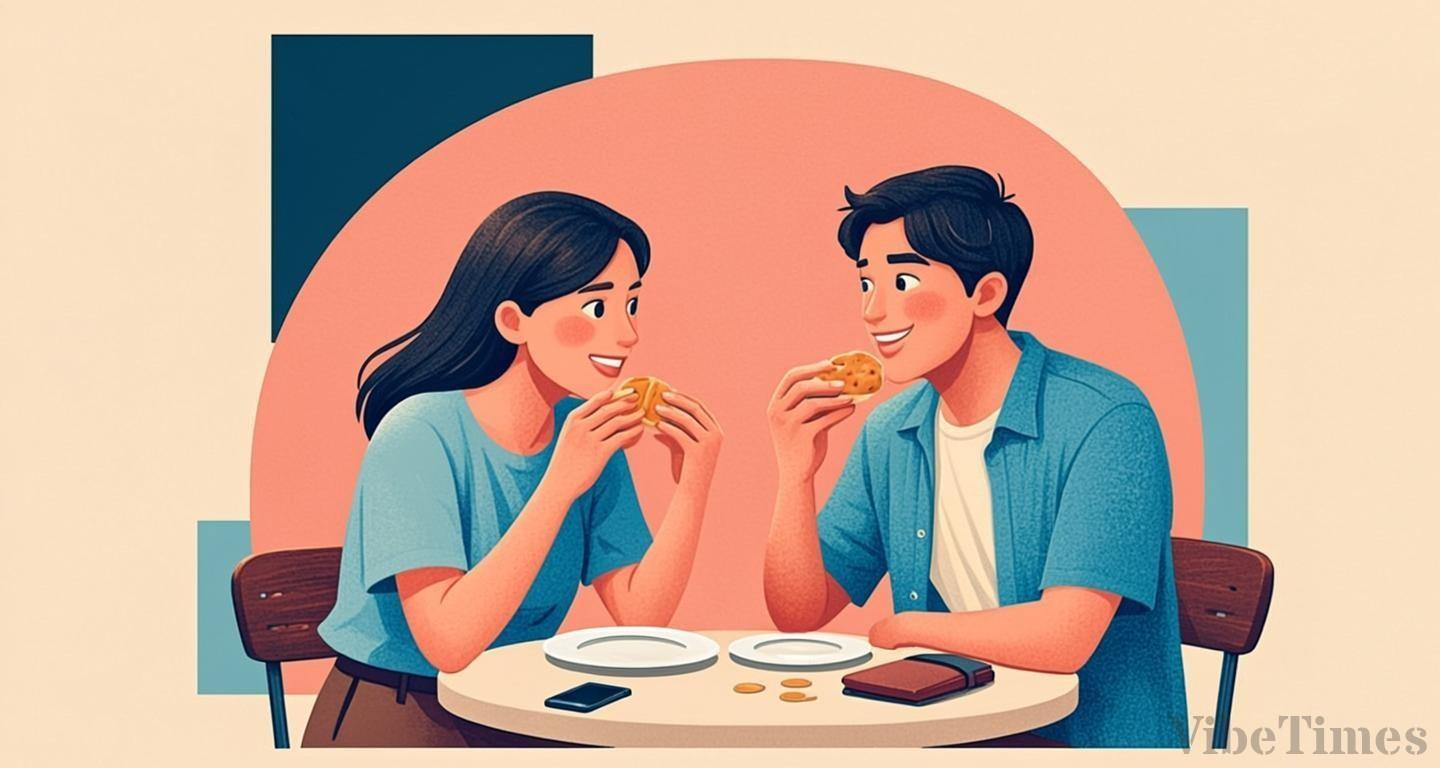
A weekend date completed on just 10,000 won already exists.
Share two coffees and a dessert, then finish with a golden-hour sunset stroll, and you can capture both atmosphere and satisfaction at a total spend of around 10,000 won. The key is not 'where you spend' but a matter of allocation — 'when, and on which single thing you focus.'
The Era of Dating Inflation: What a 10,000-Won Budget Means
7,000 Won for a Single Coffee — Why Dating Costs Keep Rising
Looking at the standard cost structure of dating today tells the story. A cup of coffee runs 5,000–7,000 won, a meal for two typically costs 30,000–50,000 won, and a full course of a movie, popcorn, and dinner easily exceeds 80,000–100,000 won. According to Bank of Korea statistics, service price inflation for dining out and coffee has outpaced overall inflation, structurally increasing the financial burden on couples.
"How Much You Spent" Matters Less Than "How Meaningful It Was"
The plot twist comes from consumer trends. As smart saving — the so-called frugality culture — spreads among the MZ generation, low-budget dating is no longer something to be embarrassed about; it has become a matter of taste. In fact, comparing high-cost dates with 10,000-won dates, the latter tends to involve more conversation, leaves longer-lasting memories, and above all, is repeatable.
Atmosphere Comes From Memory Design, Not Money
According to psychology's Peak-End Rule, people remember not the whole experience but its most intense moment and its ending. Research by Cornell University professor Thomas Gilovich has also concluded that experiential spending sustains happiness longer than material spending. In other words, concentrating 10,000 won on a single peak and a single ending yields greater satisfaction than spreading it across multiple places.
Designing a Schedule by Time of Day: How to Fill a Day Without Spending
Fill Morning and Afternoon With Zero-Won Activities
Morning activities like park strolls, drives, or dog park visits cost nothing. In the afternoon, free exhibitions at department store cultural halls or sample-tasting tours at large supermarkets serve as zero-cost alternatives. The basic framework of saving is not placing any price-tagged activity at the center of the day.
Sunsets and Night Views: The Strongest Mood, Free of Charge
A golden-hour stroll starting 30 minutes before sunset costs nothing yet counts as the most powerful atmosphere device. Checking the sunset time in advance and scheduling it at the end of your plans secures a memorable ending without any extra spending. Since the mood of the same place can change dramatically depending on when you visit, checking the time is itself a form of saving.
The 10,000-Won Allocation Strategy: Focused Investment in Three Patterns
Pattern 1 — Dessert-Focused
Spend the morning on a free stroll, then share two coffees and a dessert. A peak moment can be created for a total of 9,000–10,000 won. Sharing one item between two people not only produces real savings but also has the side effect of boosting intimacy.
Enjoy a park picnic with two gimbap rolls and drinks for 5,000–7,000 won, then use the rest for an hour at a board game cafe or a four-cut photo shoot (4,000–5,000 won). This allocation is optimized for maximizing experiential density.
Brew two cups of hand-drip coffee at a home cafe using portioned beans (about 3,000 won), then head out for a sunset drive. To finish, add a surprise by picking out a 2,000–3,000 won postcard at a stationery store. Research also supports that small gifts like handwritten letters are remembered longer, psychologically, than expensive ones.
A Practical Checklist: How to Execute a Fail-Proof 10,000-Won Date
Bundle paid items into just one
Draw up an hour-by-hour schedule before heading out and confirm there is only one paid item. As activities increase, spending spreads out and 10,000 won disappears in an instant. Since tight budgeting with no wiggle room causes discomfort, it is safer to add a small emergency fund on top of the 10,000 won.
Don't flaunt your savings
Price reveals like "This only cost 10,000 won" are a classic mood-killer. Even a budget-friendly spot makes a different impression if you turn the reason for choosing it into a story. Also, always prepare indoor alternatives like a bookstore, supermarket, or free exhibition for outdoor-heavy plans; and if 10,000-won dates become the norm, balancing things out with a high-cost date once every one or two months is key to maintaining the relationship.
In closing, it's not about saving — it's about design
The Essence of a 10,000-Won Date Is Allocation Skill
Like the old adage — "clothes tailored to fit your means, meals prepared to match your circumstances" — saving is not about restraint but the wisdom of dividing well. Top it with a peak of a free golden-hour stroll, intimacy through a shared snack, and an ending of a small parting gift, and 10,000 won is enough. Starting this weekend, follow just three steps — set a free framework, concentrate the 10,000 won on one thing, and design the ending around a sunset — and savings and atmosphere can coexist.